- Attachment-based work
- Cognitive behavioral tools
- Emotion-focused methods
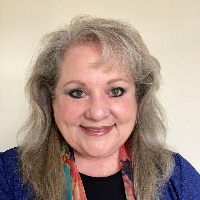
About Angela
Angela Novak is a Licensed Professional Counselor (LPC) practicing in Texas with ten years of experience. She works with people who bring stress, anxiety, trauma and abuse, depression, self-esteem concerns, relationship and family difficulties, parenting stress, grief, ADHD, and midlife change among other issues.
Novak describes therapy as a place to pause and reframe when life feels overwhelming. She listens and builds a working relationship that focuses on practical steps. Sessions often involve making a simple plan to address current problems and to strengthen coping skills.
Her background includes using several therapeutic methods in a flexible way to meet different needs. That can mean focusing on how attachment patterns show up in relationships or using cognitive-behavioral techniques to change unhelpful thoughts and behaviors. Emotional processing and skills for managing intense feelings are also part of her approach.
People who come to Novak often want clearer direction, better emotional regulation, or relief from repeating patterns. She helps people recognize patterns, try new strategies, and track what changes over time. Work in sessions tends to be practical and straightforward, with attention to the person’s goals.
Novak works in English and practices in Texas as an LPC. Her experience spans clinical settings where she supported people through life transitions, trauma recovery, caregiving stress, and other midlife concerns. To begin, prospective clients complete a short matching questionnaire and schedule a first session.
How her approaches translate to online work
Attachment-Based Therapy focuses on patterns in close relationships and how early bonds affect current connections. In online sessions this can mean identifying recurring relationship responses and trying different ways of relating to reduce loneliness and conflict.Cognitive Behavioral Therapy (CBT) looks at the link between thoughts, feelings, and actions. It teaches practical exercises to test unhelpful thoughts and build new habits, which can be practiced between sessions and reviewed remotely.
Finding the right approach is part of the work together. The therapist will listen to current concerns, goals, and preferences, and then suggest which methods to try first. Decisions about techniques are made collaboratively and can be adjusted as progress is tracked.
Session formats are not specified in the biography, so confirm current options before booking. Online work can make it easier to fit therapy into a busy week, shorten check-ins when needed, or avoid commuting. It also allows practicing skills in the context of everyday life and reviewing progress in follow-up conversations.
Areas of expertise
Primary focus
Also works with
Additional focus areas
Therapeutic approaches
Experience
10+ years
Credentials
Texas
Languages
English
Frequently asked questions
What kinds of concerns does she address?
She sees people with stress, anxiety, depression, trauma and abuse, self-esteem issues, ADHD, grief, parenting strain, and midlife concerns among other topics listed.
What is her general therapeutic style?
Her style is practical and person-focused, listening first and then working with clients to make a plan. Sessions mix emotional processing with skills practice.
How much experience does she have?
She has ten years of professional experience as a counselor working in a range of settings.
What credential does she hold and where does she practice?
She is a Licensed Professional Counselor (LPC) and practices in Texas.
Which languages are supported?
Sessions are offered in English.
Can international clients work with her?
International clients are not currently accepted.
How are sessions arranged and what do they cost?
Cost varies with location and sessions use a subscription that can be canceled at any time.
How do I get started?
Select the See online therapy options button, complete the short matching questionnaire, and schedule a first session.
Before a first session
- Check that the state license on record covers the state you live in.
- Pick one thing to start with. A whole account of everything that has changed is not needed.
- A profile shows the topics a counselor lists; it is not a diagnosis or a promise of results.
If you feel unsafe right now, call or text 988, or call 911.