- Stress and anxiety
- Relationship patterns
- Attachment focus
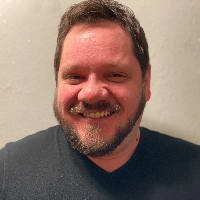
About Brandon
Brandon Bunker is a Licensed Clinical Mental Health Counselor (LCMHC) and a Licensed Professional Counselor (LPC) practicing in Utah with 11 years of experience. He works with people dealing with stress, anxiety, depression, relationship strains, trauma and abuse, addiction, LGBT issues, parenting and intimacy-related concerns, and the practical challenges that come with life changes.
He uses straightforward, talk-based work to help people clarify what matters to them and take small, manageable steps forward. Sessions focus on skills for coping with intense feelings, improving communication, and sorting complicated relationship patterns. Brandon often addresses attachment and abandonment issues and helps clients examine family of origin concerns and patterns that recur over time.
His approach draws on several evidence-informed methods, including Acceptance and Commitment Therapy (ACT), Cognitive Behavioral Therapy (CBT), Emotionally-Focused Therapy (EFT), Attachment-Based Therapy, and client-centered work. Those methods are used to help people name emotions, practice different responses, and rebuild connection in relationships.
Brandon also works with people navigating kink and alternative sexual cultures, caregiving stress, codependency, recovery from substance use, divorce and separation, and fatherhood questions. He helps clients break problems into manageable parts and practice new ways of responding.
Practical help in sessions can include building coping routines, rehearsal of conversations, and planning steps for career or parenting shifts. To begin, readers are invited to use the site process to match and schedule an initial session.
How therapeutic approaches translate to online work
Acceptance and Commitment Therapy (ACT) helps people notice difficult thoughts and feelings and then commit to actions that match their values. It is useful for midlife questions about purpose, coping with change, and reducing avoidance. Cognitive Behavioral Therapy (CBT) looks at links between thoughts, feelings, and behavior and introduces practical exercises to change unhelpful patterns. CBT is commonly used for anxiety, depression, and stress management in daily life. Emotionally-Focused Therapy (EFT) focuses on identifying emotional needs and improving communication in close relationships, which can help with intimacy and commitment issues.Finding the right approach is part of the work. The therapist will collaborate with each person to choose methods that fit their goals, preferences, and the specific issues they bring. That may mean mixing techniques from ACT, CBT, and EFT over several sessions as needs shift.
Session formats are not specified in the provided biography, so confirm current options before booking. Online sessions can make it easier to fit therapy into a busy day, allow shorter check-ins when needed, and reduce travel time. They also let people arrange quieter surroundings or choose phone-only meetings if video is difficult. The therapist will discuss what session rhythm and format best fit a client's schedule and goals during the initial match and first session.
Areas of expertise
Primary focus
Also works with
Additional focus areas
Therapeutic approaches
Experience
11+ years
Credentials
Utah, Virginia
Languages
English
Frequently asked questions
What kinds of midlife concerns does he help with?
He works with stress, anxiety, career and relationship transitions, parenting strains, and coping with life changes listed in his specialties.
What is his therapeutic style?
He practices a direct, talk-based approach that combines client-centered listening with practical exercises from ACT, CBT, and EFT.
How much clinical experience does he have?
He has 11 years of experience as a licensed counselor working with a range of emotional and relationship issues.
Where is he licensed and based?
He is licensed in Utah as a LCMHC and as an LPC in Virginia, with practice based in Utah.
Which languages are sessions offered in?
Sessions are offered in English.
Can people outside the US work with him?
He does not accept international clients at this time.
What formats are offered for sessions?
Confirm current session formats before booking using the site matching flow, as session delivery options are not specified in the biography.
How does cost and scheduling work?
Cost varies with location; sessions use a subscription that can be canceled at any time. Begin by completing the questionnaire and scheduling an initial session.
Before a first session
- Check that the state license on record covers the state you live in.
- Pick one thing to start with. A whole account of everything that has changed is not needed.
- A profile shows the topics a counselor lists; it is not a diagnosis or a promise of results.
If you feel unsafe right now, call or text 988, or call 911.