- Stress and anxiety
- Addiction and recovery
- CBT and DBT skills
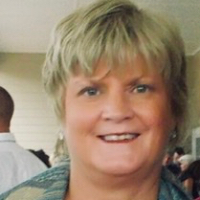
About Cathy
Cathy Foster is an LPC - Licensed Professional Counselor in Mississippi with 14 years of clinical experience. She works with stress, anxiety, addictions, relationship and family concerns, depression, trauma and abuse, grief, intimacy-related issues, sleep and eating problems, parenting struggles, anger, self-esteem, bipolar, and coping with life changes. Cathy also focuses on body image, codependency, commitment and communication problems, control issues, and questions about life purpose.
She uses straightforward talk and practical techniques in session. Cathy draws on Client-Centered methods to listen and reflect, Cognitive Behavioral Therapy to examine unhelpful thinking and behaviors, and Dialectical Behavior Therapy skills for emotion regulation. She also incorporates mindfulness and motivational interviewing where helpful.
In sessions she helps people set concrete goals, practice new ways of coping, and break problems into manageable steps. Conversations include skill practice, thought work, and planning small experiments to test change. Cathy describes therapy as a space for gaining perspective and making steady progress rather than quick fixes.
Her background spans work with a wide age range in mental health settings over many years. She frames difficulties like divorce, trauma, addiction, or midlife shifts as challenges that can be examined and addressed with focused work. The emphasis is on using personal strengths to regain hope and move forward.
Prospective clients should be prepared to discuss current concerns, everyday routines, and concrete goals in the first sessions. Cathy explains options, helps prioritize what to try next, and checks in on what is working as therapy continues.
Therapeutic approaches used in online work
She commonly uses Cognitive Behavioral Therapy to help people identify and change unhelpful thoughts and behaviors. CBT often involves structured exercises, thought records, and small behavior experiments that make problems easier to manage.She also uses Dialectical Behavior Therapy skills to teach emotion regulation, distress tolerance, and interpersonal effectiveness. DBT-based tools can be helpful for intense emotions, impulsivity, and relationship conflicts.
Finding the right approach is part of the work. The therapist will discuss goals, preferences, and current struggles and then recommend which techniques to try. That decision is collaborative and can shift as progress is made.
Confirm the specific session options before booking since formats are not detailed here. Online sessions can make it simpler to fit therapy into a workday, reduce travel time, and allow shorter check-in meetings when needed. They also let people use therapeutic tools in the moments problems arise and bring real-life situations into discussion without requiring extra commute time.
Areas of expertise
Primary focus
Also works with
Additional focus areas
Therapeutic approaches
Experience
14+ years
Credentials
Mississippi
Languages
English
Frequently asked questions
What concerns does she address?
She works with stress, anxiety, addictions, relationship and family issues, depression, trauma, grief, intimacy and life changes among other concerns.
What is her general therapy style?
She uses a practical, goal-focused style that blends Client-Centered listening with CBT and DBT techniques and mindfulness where useful.
How much experience does she have?
She has 14 years of clinical experience in mental health settings working with a broad range of concerns and age groups.
What are her credentials and location?
She is an LPC - Licensed Professional Counselor based in Mississippi.
Which languages are supported?
Sessions are offered in English.
Can people outside the US work with her?
She does not accept international clients at this time.
How are sessions paid for?
Cost varies with location and sessions use a subscription that can be canceled at any time.
How do I begin a first session?
Select the See online therapy options button, complete the short matching questionnaire, and then schedule a first session.
Before a first session
- Check that the state license on record covers the state you live in.
- Pick one thing to start with. A whole account of everything that has changed is not needed.
- A profile shows the topics a counselor lists; it is not a diagnosis or a promise of results.
If you feel unsafe right now, call or text 988, or call 911.