- Client-centered work
- CBT techniques
- Mindfulness practice
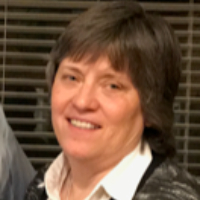
About Charlotte
Charlotte Gibbons is a Licensed Clinical Social Worker (LCSW) practicing in Utah with 20 years of experience. She works with relationship strain, family concerns, trauma and abuse, parenting challenges, and midlife questions such as coping with life changes and stress.
She helps people facing depression, anxiety, low self-esteem, addiction issues, grief, and intimacy struggles. She also supports those dealing with ADHD, bipolar mood concerns, and compassion fatigue. Her work includes issues around abandonment, blended families, caregiver stress, and communication problems.
Her style is interactive and straightforward. Sessions focus on practical steps and clearer thinking. Therapy blends talking through patterns with exercises to change behavior and manage strong emotions.
Charlotte uses client-centered methods alongside cognitive behavioral techniques and dialectical behavior strategies. She draws on Jungian ideas and mindfulness practices when they fit a person's needs. The goal is to find approaches that help with day-to-day decisions, relationships, and emotional regulation.
People can expect collaborative planning in sessions. She will discuss specific goals and check progress over time. For someone in midlife reassessing work, family, or identity, the work aims to clarify priorities and build useful tools.
Charlotte brings two decades of clinical experience to sessions in Utah and works with English-speaking clients, including international clients who seek remote help. She holds CA LCSW and UT LCSW credentials.
How her approaches translate to online work
Client-Centered Therapy is about focusing the conversation on a person's priorities and concerns. It helps bring clarity to decisions and relationships by following what the client feels matters most.Cognitive Behavioral Therapy (CBT) targets the patterns of thinking and behavior that keep problems going. It uses exercises and experiments to test new ways of coping with anxiety, depression, and stress.
Dialectical Behavior Therapy (DBT) offers skills for emotion regulation, distress tolerance, and better communication. It can be useful when strong emotions or relationship conflict make daily life harder.
Finding the right approach is part of the work together. Charlotte will help figure out which methods fit a person's goals, needs, and preferences, and she will adjust the plan as progress is reviewed.
Session options are not specified here, so confirm current session formats before booking. Online work can make it easier to fit sessions into a busy schedule, reduce travel time, and allow shorter check-ins when needed. It also makes it possible for people outside Utah to connect with a licensed professional and continue steady work during times of change.
Areas of expertise
Primary focus
Also works with
Additional focus areas
Therapeutic approaches
Experience
20+ years
Credentials
Utah, California, Oregon
Languages
English
Frequently asked questions
What kinds of problems does she address?
She works with relationship and family concerns, trauma and abuse, parenting issues, depression, anxiety, stress, addiction, grief, and midlife changes.
How would you describe her therapeutic style?
Her style is interactive and straightforward, focusing on practical steps, conversation, and behavioral strategies to manage emotions and improve relationships.
How much experience does she have?
She has 20 years of clinical experience working with trauma, family and relational issues, and a range of mood and behavior concerns.
What are her credentials and where is she based?
She is a Licensed Clinical Social Worker (LCSW) licensed in California and Utah, and she practices in Utah.
Which languages are supported for sessions?
Sessions are offered in English.
Can international clients work with her?
Yes, she accepts international clients.
How are costs and billing handled?
Costs vary by location and sessions use a subscription model that can be canceled at any time.
What do I do to begin a first session?
Select the See online therapy options button, complete a short matching questionnaire, and schedule a first session.
Before a first session
- Check that the state license on record covers the state you live in.
- Pick one thing to start with. A whole account of everything that has changed is not needed.
- A profile shows the topics a counselor lists; it is not a diagnosis or a promise of results.
If you feel unsafe right now, call or text 988, or call 911.