- Attachment-based work
- Cognitive behavioral tools
- Mindfulness practices
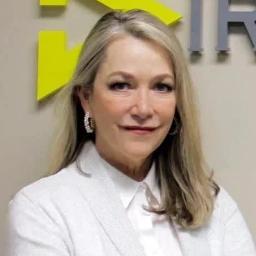
About Diane
Diane Critchlow is a Licensed Mental Health Counselor (LMHC) in Washington with 12 years of clinical experience. She works with stress, anxiety, trauma and abuse, self-esteem concerns, depression, relationship and family problems, career questions, compassion fatigue, and coping with life changes.
Diane focuses on practical tools people can use between sessions. She uses cognitive behavioral ideas to identify unhelpful thoughts and try small behavior shifts. She also draws on attachment-based work to help people understand patterns that come from early relationships.
Sessions are conversational and interactive. Diane listens for patterns in relationships, family of origin issues, and repeated responses to stress. She helps people name feelings tied to abandonment, adoption or foster care histories, or other early attachment wounds so they can make different choices now.
She supports people dealing with divorce, blended family challenges, communication problems, codependency, body image concerns, or the emotional fallout of domestic violence and separation. Career changes and the strain of balancing caregiving or workplace demands are part of the practical focus.
Diane uses mindfulness practices and motivational interviewing to help people notice what matters and set achievable goals. Her work aims to increase coping options, strengthen communication, and reduce reactive patterns that cause distress.
How Diane’s Approaches Translate to Online Work
Diane often combines cognitive behavioral techniques with attachment-based ideas. Cognitive behavioral work focuses on spotting unhelpful thoughts and experimenting with small behavior changes to reduce anxiety or depression. Attachment-based work looks at relationship patterns from early life and helps people try different ways of relating in current relationships.She also uses mindfulness practices to build skills for noticing emotion and reducing reactivity. These approaches help with stress, relationship issues, and coping with life changes by offering concrete tools and new ways of responding. Choosing which approach to emphasize is a collaborative process. Diane works with people to identify goals and try methods that fit their needs and preferences, adjusting as progress happens.
Session logistics should be confirmed before booking, since formats are not specified here. Online sessions can make it easier to fit therapy into a workday, reduce travel time, or choose a lower-bandwidth option for shorter check-ins. Ask about current session formats when you complete the matching questionnaire so you know how appointments will be scheduled and conducted.
Areas of expertise
Also works with
Additional focus areas
Therapeutic approaches
Experience
12+ years
Credentials
Washington
Languages
English
Frequently asked questions
What concerns does she address?
Diane works with stress, anxiety, trauma and abuse, self-esteem issues, depression, relationship and family problems, career concerns, compassion fatigue, and coping with life changes.
What is her therapeutic style?
Her style is interactive and conversational, using cognitive behavioral, attachment-based, mindfulness, motivational interviewing, and psychodynamic ideas to help people make changes.
How much experience does she have?
She has 12 years of clinical experience providing counseling and psychotherapy services.
What are her credentials and location?
She is a Licensed Mental Health Counselor (LMHC) licensed in Washington.
Which languages are supported?
Sessions are offered in English and international clients are not currently accepted.
What session formats are offered?
Confirm current session options before booking to learn which formats are available for appointments.
How does pricing work?
Cost varies with location and sessions use a subscription that can be canceled at any time.
How do I begin?
Select the See online therapy options button, complete a short matching questionnaire, and schedule a first session.
Before a first session
- Check that the state license on record covers the state you live in.
- Pick one thing to start with. A whole account of everything that has changed is not needed.
- A profile shows the topics a counselor lists; it is not a diagnosis or a promise of results.
If you feel unsafe right now, call or text 988, or call 911.