- Trauma-informed care
- Addiction support
- Cognitive approaches
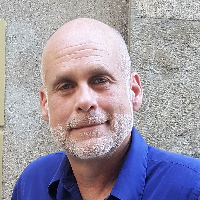
About Dion
Dion Smith is a Licensed Professional Counselor (LPC) in Texas with ten years of counseling experience. He lists stress, anxiety, addictions, trauma and abuse, sleep problems, and depression among the concerns he addresses. He also notes work with relationship and family issues, grief, intimacy concerns, parenting and career matters, and ADHD.
He began his career in 1994 as a master’s-level school psychology specialist and later moved into counseling practice as an LPC. That background informs how he assesses needs and makes referrals when other services might help alongside counseling. He has provided services through a Department of Defense program and has experience with military-related transition and adjustment.
Dion describes his approach as client-centered and trauma-informed while drawing on cognitive and behavioral methods. He integrates elements of mindfulness, experiential work, and Eye Movement Desensitization and Reprocessing when appropriate. Sessions focus on practical skills, symptom reduction, and addressing past events that continue to affect day-to-day life.
He lists addiction treatment and trauma resolution among his areas of focus and notes that personal life experience has informed his perspective on substance use treatment. He also works with issues such as caregiver stress, codependency, attachment concerns, and first responder stress.
Assessment and referrals are part of the services he offers to make sure people can get additional supports when needed. Dion encourages people to take the first step toward change and to use counseling as a way to address specific goals and daily functioning.
How his approaches work in online sessions
Dion uses Client-Centered Therapy to focus on the person’s concerns and goals. This approach emphasizes listening, reflection, and working from the client’s priorities to make changes that matter in daily life.He also uses Cognitive Behavioral Therapy (CBT) to identify unhelpful thinking and behavior patterns and to teach practical skills for managing anxiety, depression, sleep problems, and cravings. CBT sessions tend to include exercises, skill practice, and homework to build new habits.
EMDR is another method he integrates for trauma work; it involves guided processing of distressing memories and can help reduce the intensity of traumatic reactions when used with a trauma-informed plan.
Finding the right approach is part of the work. He will collaborate with each person to choose or blend methods based on presenting problems, goals, and preferences so the plan fits the situation rather than forcing a single method.
Session formats are not specified in the biography, so confirm current options before booking. Online meetings can make it easier to fit counseling around work, caregiving, and family commitments, reduce travel time, and allow for brief check-ins when a shorter touchpoint helps. Licensed professionals can adapt pacing and tools to remote sessions so the work stays focused on practical change.
Areas of expertise
Primary focus
Also works with
Additional focus areas
Therapeutic approaches
Experience
10+ years
Credentials
Texas
Languages
English
Frequently asked questions
What kinds of problems does he help with?
He works with stress, anxiety, depression, addictions, trauma and abuse, sleep problems, relationship and family concerns, grief, parenting and career issues among others.
What is his therapeutic style?
He uses a client-centered, trauma-informed approach that draws on cognitive-behavioral and mindfulness techniques to address symptoms and practical problems.
How much experience does he have?
He has ten years of experience as an LPC and began his career in 1994 working in school psychology at the master’s level.
Where is he licensed and based?
He is a Licensed Professional Counselor (LPC) in Texas and practices with that credential.
Are sessions offered in other languages?
Sessions are offered in English only.
Does he work with international clients?
He does not accept international clients at this time.
How are sessions paid for?
Cost varies with location; sessions use a subscription that can be canceled at any time.
How do I start a first session?
Select the See online therapy options button, complete the short matching questionnaire, and schedule a first session.
Before a first session
- Check that the state license on record covers the state you live in.
- Pick one thing to start with. A whole account of everything that has changed is not needed.
- A profile shows the topics a counselor lists; it is not a diagnosis or a promise of results.
If you feel unsafe right now, call or text 988, or call 911.