- Client-centered methods
- Cognitive behavioral tools
- Mindfulness practices
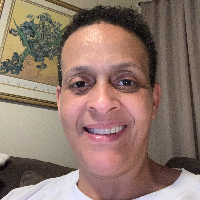
About Eugenia
Eugenia Davis is a Licensed Clinical Mental Health Counselor (LCMHC) in North Carolina with 22 years of experience. She works with people facing stress, anxiety, addictions, depression, trauma and abuse, relationship and intimacy concerns, and life changes including parenting and ADHD. She also lists support for LGBT concerns, grief, bipolar disorder, and a wide range of related issues.
She trained with a Master of Science in Mental Health Counseling and has a background that includes substance use work and clinical roles across settings. Over two decades she has worked with people who have chronic mental illnesses, personality issues, mood disorders, and clients affected by trauma. Her experience spans foster care populations, correctional settings, and medical-related caregiving concerns.
In sessions she uses straightforward, talk-based methods. She helps people look at problems from different angles and tests practical ways to cope. She describes therapy as a collaborative process where the client brings the answers and the counselor offers an objective perspective to consider new options.
Eugenia draws on client-centered methods alongside cognitive behavioral ideas to address thinking and behavior patterns. She also incorporates emotionally focused work and mindfulness practices to help with emotional regulation and present-moment awareness. Motivational interviewing techniques are used when shifting habits is part of the goal.
Her background includes work with substance use clients and clinical populations with complex needs. People seeking support for midlife concerns such as career shifts, changing relationships, caregiving stress, or a sense of being stuck may find practical, experience-based guidance in her approach.
How her approaches translate to online work
Client-centered work focuses on listening and reflecting. It helps people feel understood and clarifies their goals, which can make practical next steps easier to choose. Cognitive Behavioral Therapy (CBT) breaks problems into thoughts, feelings, and behaviors and offers concrete skills for changing patterns that keep people stuck. Emotionally-Focused Therapy (EFT) helps identify and map emotional responses and relationship patterns, useful for intimacy and communication concerns.Choosing the right method is part of the process. The therapist will discuss goals, preferences, and what has worked before to pick an approach together. That collaborative planning can shift as the work progresses and as new needs emerge.
The biography does not specify session formats here, so confirm current options before booking. Online sessions can make it easier to fit therapy into a busy schedule, allow shorter check-ins when time is limited, and remove travel time when meetings need to be squeezed between work or caregiving duties. They also permit options like audio-only when bandwidth or camera use is an issue. Licensed professionals can adapt exercises and homework for remote sessions so the work remains practical and goal-focused.
Areas of expertise
Primary focus
Also works with
Additional focus areas
Therapeutic approaches
Experience
22+ years
Credentials
North Carolina
Languages
English
Frequently asked questions
What kinds of concerns does she address?
She works with stress, anxiety, addictions, depression, trauma and abuse, relationship and intimacy issues, grief, parenting challenges, bipolar disorder, ADHD, and related concerns.
What is her general therapy style?
She uses a conversational, practical style that helps clients view problems from different angles and try new coping strategies.
How much clinical experience does she have?
She has 22 years of experience in mental health and substance use settings, including work with chronic mental illness and correctional populations.
What credential does she hold and where is she located?
She is an LCMHC licensed in North Carolina.
In which languages are sessions offered?
Sessions are offered in English and international clients are accepted.
Which session formats are available?
The original biography does not list specific session formats, so confirm current options before booking.
How are sessions paid for?
Cost varies with location and sessions use a subscription model that can be canceled at any time.
How do I begin if I want to work together?
Select the See online therapy options button, complete a short matching questionnaire, and schedule a first session.
Before a first session
- Check that the state license on record covers the state you live in.
- Pick one thing to start with. A whole account of everything that has changed is not needed.
- A profile shows the topics a counselor lists; it is not a diagnosis or a promise of results.
If you feel unsafe right now, call or text 988, or call 911.