- Depression and anxiety
- Trauma processing
- Motivational methods
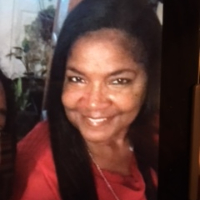
About Gwendolyn
Gwendolyn Scrutchins is a Licensed Professional Counselor (LPC) in Georgia with nine years of clinical experience. She has a background working with incarcerated populations and now sees adults with a wide range of concerns, including depression, anxiety, substance use, trauma, and attention difficulties.
She focuses on clear, direct conversations about what is happening now. Sessions often include practical skills for stress, anger, sleep, and managing mood swings. Gwendolyn also helps people understand how past trauma or difficult relationships show up in daily life.
Her work draws on cognitive behavioral ideas to change unhelpful thoughts and behaviors. She uses emotion-focused strategies to look at relationship patterns and how feelings guide choices. EMDR is part of her toolkit for processing traumatic memories when it fits a person's needs.
Gwendolyn learned techniques used in correctional settings, such as motivational interviewing and behavior change methods. That experience means she is used to documenting progress, writing treatment plans, and tracking outcomes in clear, practical ways.
People who contact her can expect straightforward listening and an emphasis on problem-solving. She describes her style as respectful and direct, avoiding labels or assumptions about anyone's story. To begin, she asks about current struggles and what a better next chapter might look like.
How her approaches translate to online work
Gwendolyn draws on Acceptance and Commitment Therapy (ACT), Cognitive Behavioral Therapy (CBT), and Eye Movement Desensitization and Reprocessing (EMDR) in her practice. ACT focuses on clarifying values and taking small steps toward them while learning to live with difficult thoughts. CBT targets unhelpful thoughts and routines and teaches practical skills for anxiety, depression, sleep, and self-regulation. EMDR helps process traumatic memories by combining guided recall with bilateral stimulation as appropriate for trauma-related symptoms. Finding the right approach is a collaborative process. She will discuss goals, preferences, and what methods feel most useful. Together the therapist and client decide which techniques to try and adjust them over time based on what helps. Confirm the exact session formats offered before booking, since formats were not specified in the biography. Online work can make it easier to fit appointments into a busy day, allow shorter check-ins when needed, and reduce commute time. It can also let people choose sessions that match their energy level that day, such as a focused skills session or a longer processing session, without having to rearrange as much around work or caregiving.Areas of expertise
Primary focus
Also works with
Additional focus areas
Therapeutic approaches
Experience
9+ years
Credentials
Georgia
Languages
English
Frequently asked questions
What kinds of concerns does she address?
She works with depression, anxiety, bipolar features, addictions, trauma and abuse, relationship and family problems, sleep issues, ADHD, grief, and parenting strain.
What is her therapeutic style?
Her approach is practical and conversational, using active listening and focused skills work to address current problems and behavior patterns.
How much experience does she have?
She has nine years of experience, including work as a mental health counselor in correctional settings.
What credentials and region apply?
She holds the LPC credential and practices in Georgia as a Licensed Professional Counselor.
Which languages are supported?
Sessions are offered in English.
Can people outside the United States work with her?
She is not accepting international clients at this time.
How are sessions arranged and what do they cost?
Cost varies by location and sessions use a subscription model that can be canceled at any time.
How do I start a first session?
Use the See online therapy options button, complete a short matching questionnaire, and schedule a first session.
Before a first session
- Check that the state license on record covers the state you live in.
- Pick one thing to start with. A whole account of everything that has changed is not needed.
- A profile shows the topics a counselor lists; it is not a diagnosis or a promise of results.
If you feel unsafe right now, call or text 988, or call 911.