- Client-Centered Therapy
- Cognitive Behavioral Therapy
- Solution-Focused Therapy
About Hope
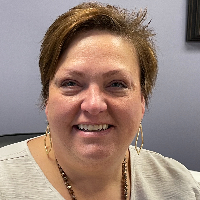
Hope Spencer is a Licensed Professional Counselor (LPC) in Mississippi with 22 years of experience working with stress, anxiety, family concerns, anger, depression, ADHD, relationship issues, trauma and abuse, grief, intimacy-related concerns, eating issues, self-esteem, career, bipolar disorder, and coping with life changes. She uses several therapeutic methods and adapts the work to the person in front of her.
She focuses on building a strong working relationship first. That connection guides how sessions proceed and which method is used. Conversations are direct and practical, with attention to what a person is dealing with right now.
Hope uses Client-Centered Therapy to center the client's perspective and to allow conversations to follow personal priorities. She applies Cognitive Behavioral Therapy to identify unhelpful thought patterns and test new behaviors. Solution-Focused Therapy is used when concrete, short-term goals are a priority.
Her background combines formal training and long experience in counseling practice. She describes herself as someone who listens and brings steady energy into sessions. That lived experience informs how she helps people make sense of midlife shifts such as career change, caregiving demands, or relationship strain.
Sessions are practical and conversational. Typical work can include managing anxiety, addressing grief, sorting through family-of-origin issues, or creating step-by-step plans for change. Hope encourages small experiments between sessions to try new approaches and to measure what helps.
People come to her looking for clarity and manageable steps. Her approach aims to be straightforward and focused on real-life changes rather than abstract theory.
How Hope Uses Client-Centered and CBT Online
Hope commonly draws on Client-Centered Therapy and Cognitive Behavioral Therapy in online work. Client-Centered Therapy lets the client's priorities guide conversation and focuses on understanding what matters most to the person. It helps when the main need is to make sense of feelings and decide next steps. Cognitive Behavioral Therapy looks at patterns of thinking and behavior, and then tests small changes to see what helps; it is often used for anxiety, depression, and unhelpful routines.She also uses Solution-Focused Therapy when people want short-term, goal-driven work. That approach concentrates on practical steps and measuring small wins rather than long narrative review. Choosing an approach is collaborative: the therapist and client will discuss goals, preferences, and what feels useful, then try an approach and adapt as they go.
Confirm current session options before booking so you know which formats are offered. Online work can make it easier to fit sessions into a busy life - for example, shorter phone check-ins can fit a work break, and video sessions allow face-to-face interaction without travel time. These practical benefits help sessions become part of everyday routines while keeping the focus on clear, actionable change.
Areas of expertise
Primary focus
Also works with
Additional focus areas
Therapeutic approaches
Experience
22+ years
Credentials
Mississippi
Languages
English
Frequently asked questions
What kinds of concerns does she address?
She works with stress, anxiety, depression, grief, relationship and intimacy issues, ADHD, bipolar, trauma and many life changes including career shifts and caregiver stress.
What is her therapeutic style?
She begins by building a strong rapport and then uses practical, conversational methods guided by the client's goals.
How long has she been practicing?
She has 22 years of experience as a counselor.
What are her credentials and where is she based?
She holds the LPC credential and practices in Mississippi.
What languages are supported?
Sessions are offered in English only.
Can international clients work with her?
She does not accept international clients at this time.
How are sessions arranged and paid for?
Cost varies with location and sessions use a subscription that can be canceled at any time.
How do I begin if I want to work with her?
Use the See online therapy options button, complete the short matching questionnaire, and schedule a first session.
Before a first session
- Check that the state license on record covers the state you live in.
- Pick one thing to start with. A whole account of everything that has changed is not needed.
- A profile shows the topics a counselor lists; it is not a diagnosis or a promise of results.
If you feel unsafe right now, call or text 988, or call 911.