- Stress and anxiety
- Depression and grief
- CBT and DBT methods
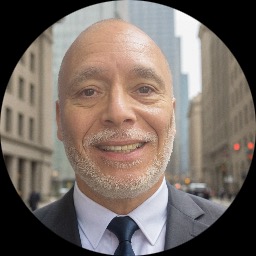
About Jorge
Jorge Luis Quinones is a Licensed Mental Health Counselor (LMHC) in Florida with 20 years of clinical experience. He works with people facing stress, anxiety, depression, addictions, sleep problems, and life transitions, including career and relationship changes.
He focuses on helping individuals manage emotional overwhelm and practical problems. Sessions often involve straightforward talk, setting small goals, and learning coping skills that can be used between meetings. He uses methods that encourage clear thinking and steady behavior change rather than abstract theory.
Jorge draws on client-centered work to follow each person's concerns and preferences. He combines that with cognitive behavioral techniques to identify unhelpful thinking and develop different actions. He also uses skills from dialectical behavior therapy for managing strong emotions and mindfulness for slowing down in stressful moments.
He has worked with people affected by trauma, grief, chronic illness, caregiving stress, and changes that come with aging. He also supports people dealing with parenting strains, relationship communication problems, and issues like codependency and body image concerns.
Sessions are offered in English and Spanish. Jorge frames therapy as practical problem-solving mixed with emotional learning, aiming to help people make steady changes they can use in everyday life.
How his approaches translate to online work
Client-Centered Therapy in his work focuses on listening and shaping sessions around what matters most to the person. It helps people clarify priorities and decide practical next steps. Cognitive Behavioral Therapy (CBT) looks at specific thoughts and behaviors, and teaches tools to change patterns that feed anxiety or low mood. DBT skills are used for managing intense emotions and building routines for steady coping.Choosing the best mix of approaches is a collaborative process. He will talk with each person about their goals, what has helped or not helped before, and which methods feel like a good fit. That conversation guides how sessions are structured and which skills are prioritized.
Session formats are not listed in the biography, so confirm current options before booking. Online work can make it easier to fit therapy into a busy life by removing travel time, allowing shorter check-ins when needed, or making it simpler to schedule around caregiving and work demands. These practical benefits help people keep consistent progress while balancing day-to-day responsibilities.
Areas of expertise
Primary focus
Also works with
Additional focus areas
Therapeutic approaches
Experience
20+ years
Credentials
Florida
Languages
English, Spanish
Frequently asked questions
What issues does he help with?
He works with stress, anxiety, depression, addictions, sleep problems, coping with life changes, relationship and family concerns, grief, trauma and related struggles.
What is his therapeutic style?
He uses a practical, client-centered approach that combines talk, goal-setting, and skill practice drawn from CBT, DBT, and mindfulness.
How much experience does he have?
He has 20 years of experience working with a range of concerns including chronic illness, caregiving stress, and life transitions.
What are his credentials and location?
He is an LMHC licensed in Florida and practices with that credential in the state.
Which languages are supported?
Sessions are offered in English and Spanish.
Can international clients work with him?
He does not accept international clients at this time.
How are sessions priced?
Cost varies with location and sessions use a subscription model that can be canceled at any time.
How do I begin a first session?
Select the See online therapy options button, complete a short matching questionnaire, and schedule your first session.
Before a first session
- Check that the state license on record covers the state you live in.
- Pick one thing to start with. A whole account of everything that has changed is not needed.
- A profile shows the topics a counselor lists; it is not a diagnosis or a promise of results.
If you feel unsafe right now, call or text 988, or call 911.