- Midlife decision support
- Stress and anxiety tools
- LGBTQ support and identity
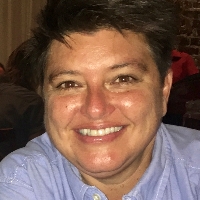
About Julie
Julie Knight is a Licensed Professional Clinical Counselor (LPCC) and Licensed Professional Counselor (LPC) in California with 30 years of counseling experience. She works with people facing stress, anxiety, depression, relationship strain, grief, and life changes including midlife concerns and questions about life purpose.
She draws on practical, person-centered methods and goal-focused work. Sessions center on clear goals, usable skills, and personal strengths. Julie uses tools from cognitive behavioral therapy and acceptance-oriented methods to help people manage mood, worry, and difficult thinking patterns.
Julie also uses attachment-informed approaches to look at how past relationships shape current patterns. That can help with intimacy issues, family-of-origin wounds, and attachment-related fears. She brings this perspective to work on recovery from trauma and abuse as well as relationship distress.
She has a long history supporting LGBTQ people through coming-out questions, family relationship shifts, and identity challenges. She also works with people who identify as highly sensitive or neurodivergent and helps them understand and communicate their needs more clearly.
Practical tools are a part of sessions. Clients may work on coping skills for anger, strategies for managing ADHD traits, or plans for career and caregiving stress. The focus is on clearer thinking, better communication, and steadier day-to-day functioning.
Approaches used and how online sessions fit
Julie commonly uses Acceptance and Commitment Therapy (ACT) and Cognitive Behavioral Therapy (CBT). ACT helps people notice thoughts and values so they can act in ways that matter to them despite difficult feelings. CBT focuses on identifying unhelpful thoughts and testing them with practical experiments to reduce anxiety and depressive patterns.She also draws on attachment-based ideas to look at patterns in close relationships. That work helps when intimacy, trust, or family-of-origin dynamics are getting in the way of clearer communication and steadier relationships. Choosing an approach is a collaborative process; she will help you decide what to try based on your goals and preferences.
Session formats are not specified in the biography, so confirm current online options before booking. Online work can make it easier to fit therapy into a busy life by reducing travel time, allowing shorter check-ins when schedules are tight, or offering sessions without needing to be on camera if that feels better. Therapists can adapt exercises and skills practice to suit the way you prefer to meet and the goals you bring to therapy.
Areas of expertise
Primary focus
Also works with
Additional focus areas
Therapeutic approaches
Experience
30+ years
Credentials
Oklahoma, California
Languages
English
Frequently asked questions
What concerns does she commonly address?
She works with stress, anxiety, depression, grief, relationship issues, and life changes including midlife meaning and purpose concerns.
What is her therapeutic style?
She uses a person-centered, strengths-based, goal-oriented approach that focuses on practical skills and clearer thinking.
How much experience does she have?
She has worked in mental health for 30 years, including inpatient psychiatric and crisis response settings earlier in her career.
What credentials and region apply?
She holds LPCC and LPC credentials and practices in California.
Which languages are supported?
Sessions are offered in English.
Can people outside the U.S. work with her?
International clients are not currently accepted.
How do sessions and cost work?
Cost varies by location and sessions use a subscription model that can be canceled at any time.
How do I begin a first session?
Select the See online therapy options button, complete the short matching questionnaire, and schedule your first session.
Before a first session
- Check that the state license on record covers the state you live in.
- Pick one thing to start with. A whole account of everything that has changed is not needed.
- A profile shows the topics a counselor lists; it is not a diagnosis or a promise of results.
If you feel unsafe right now, call or text 988, or call 911.