- Attachment-based work
- Cognitive behavioral tools
- Decades of clinical experience
About Katherine
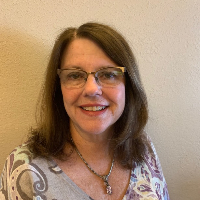
Dr. Katherine Walker is a California Psychologist (CA Psychologist 15553) with 32 years of experience. She has worked across a wide range of concerns, including stress, anxiety, mood disorders, addictions, trauma and abuse, relationship and intimacy issues, parenting strains, and midlife concerns such as coping with life changes and aging-related questions.
Her background includes decades of clinical work inside a large health care organization where she served as both therapist and manager. She holds an undergraduate degree from UC Berkeley and completed graduate training at the California School of Professional Psychology. Earlier in her career she worked as a respiratory therapist, which shaped her practical approach to care.
In sessions she focuses on what the client brings and on practical steps that can help relieve pressure. Conversations aim to identify patterns, strengthen coping skills, and clarify choices about work, relationships, or health. She sees progress as the result of client effort guided by her direction and feedback.
Her clinical work draws on attachment-based ideas, client-centered listening, cognitive behavioral tools, dialectical behavior skills, and psychodynamic reflection. That mix lets her address problems rooted in relationships, longstanding patterns, and day-to-day emotional regulation.
People in midlife who feel stuck, overwhelmed by caregiving or career decisions, or unsettled by changing relationships may find the sessions useful for sorting practical next steps and building steadier routines.
Approaches used in online sessions and how they help
Attachment-Based Therapy looks at how early and current relationships shape feelings and reactions today. It can be useful for midlife concerns tied to trust, intimacy, or patterns that repeat across relationships. Cognitive Behavioral Therapy (CBT) breaks problems into thoughts, feelings, and actions and teaches concrete skills to change unhelpful patterns; it often helps with anxiety, depression, and stressful decision points. Dialectical Behavior Therapy (DBT) offers practical emotion regulation and distress-tolerance skills that can reduce overwhelm and improve day-to-day functioning.Finding the right approach is part of the first sessions. The therapist will work collaboratively to identify which methods fit a person’s goals, preferences, and the issues they bring. That process can include trying different techniques and adjusting the focus as needs change.
Session formats should be confirmed before booking. If you plan to use online sessions, check the current options and scheduling details when you sign up. Online work can make it easier to fit therapy around caregiving, work, or health appointments, allow shorter check-ins when needed, and reduce travel time so sessions can be squeezed into busy days.
Areas of expertise
Primary focus
Also works with
Additional focus areas
Therapeutic approaches
Experience
32+ years
Credentials
California
Languages
English
Frequently asked questions
What kinds of concerns does she help with?
She addresses stress, anxiety, depression, addictions, trauma, relationship issues, parenting strain, and midlife concerns like coping with life changes and aging questions.
What is her therapeutic style?
She combines client-centered listening with practical cognitive and behavioral tools, plus attachment and psychodynamic perspectives to understand long-term patterns.
How much clinical experience does she have?
She has 32 years of experience working as a therapist and manager in a large health care organization.
What credential and location are on file?
She is listed as CA Psychologist 15553 and practices from California.
Which languages are sessions offered in?
Sessions are offered in English.
Can people outside the US work with her?
She does not accept international clients at this time.
How are sessions paid for?
Cost varies with location and sessions use a subscription that can be canceled at any time.
How do I begin if I want to work with her?
Select the See online therapy options button, complete a short matching questionnaire, and schedule a first session.
Before a first session
- Check that the state license on record covers the state you live in.
- Pick one thing to start with. A whole account of everything that has changed is not needed.
- A profile shows the topics a counselor lists; it is not a diagnosis or a promise of results.
If you feel unsafe right now, call or text 988, or call 911.