- Stress and anxiety
- Depression and bipolar
- Addiction support
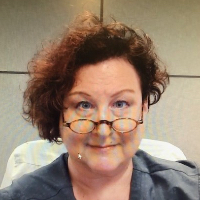
About Kim
Kim Padula is an LCSW (Licensed Clinical Social Worker) practicing in Tennessee with 26 years of experience. She works with concerns such as stress, anxiety, depression, addictions, relationship problems, caregiver strain, grief, and midlife issues including life changes and career questions.
She takes a strengths-based view and begins by reviewing a person's history. That review focuses on experiences and relationships that have shaped how a person responds to stress. Together they set clear objectives and create a plan for therapy that is reviewed as progress is made.
Sessions are collaborative and practical. Kim emphasizes perspective, accountability, and skills as well as insight. She aims to help people increase choice in how they respond to life challenges rather than simply naming problems.
Her methods draw on well-established approaches such as client-centered work, cognitive behavioral techniques, dialectical behavior strategies, existential reflection, and Jungian ideas. Techniques are selected to match the issues and the person's preferences rather than following a single method.
People who reach out can expect a straightforward first phase of assessment, goal-setting, and planning. Over time the plan may be revised to reflect new priorities or progress. Prospective clients are invited to ask questions before scheduling a first session.
Approaches used and how online sessions are arranged
Kim combines client-centered work and cognitive behavioral therapy in ways that focus on practical change and clearer perspective. Client-centered work emphasizes listening and understanding a person's own goals, which helps people clarify what matters most. Cognitive behavioral techniques look at patterns of thinking and behavior and introduce concrete strategies to reduce anxiety, improve mood, and manage cravings.She also draws on dialectical behavior therapy when needed to teach emotion regulation, distress tolerance, and interpersonal effectiveness skills. These approaches can suit midlife concerns such as stress, relationship strain, caregiver fatigue, and mood shifts. Finding the right mix is collaborative; the therapist will help identify approaches that match the individual's needs, goals, and preferences as part of the planning process.
The original biography does not specify which online session formats are provided, so confirm current options before booking. Many people find online sessions easier to fit into busy schedules, allow shorter check-ins during the workday, or reduce travel time. The therapist's focus is on making therapy practical and workable within everyday life while selecting methods that address the issues at hand.
Areas of expertise
Primary focus
Also works with
Additional focus areas
Therapeutic approaches
Experience
26+ years
Credentials
Tennessee
Languages
English
Frequently asked questions
What kinds of midlife concerns does she address?
She works with life changes common in midlife such as career questions, caregiving stress, grief, and feelings of being stuck or restless.
What is her therapeutic style?
She uses a strengths-based, collaborative style that mixes insight with practical skills and accountability.
How much experience does she have?
She has been licensed and practicing since 1995, giving her 26 years of clinical experience.
What are her credentials and where is she located?
She is an LCSW (Licensed Clinical Social Worker) in Tennessee.
Does she work with international clients or other languages?
Sessions are offered in English and she does accept international clients.
What session formats are available?
The original biography does not list specific session formats, so confirm current session options before booking.
How is cost handled?
Cost varies with location; sessions use a subscription that can be canceled at any time.
How do I get started with a first session?
Select the See online therapy options button, complete a short matching questionnaire, and schedule a first session.
Before a first session
- Check that the state license on record covers the state you live in.
- Pick one thing to start with. A whole account of everything that has changed is not needed.
- A profile shows the topics a counselor lists; it is not a diagnosis or a promise of results.
If you feel unsafe right now, call or text 988, or call 911.