- Cognitive Behavioral Therapy
- Mindfulness practice
- Narrative techniques
About Maggie
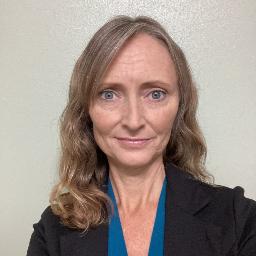
Maggie Johnson is an LPCC - Licensed Professional Clinical Counselor in Minnesota with nine years of clinical experience. She works with stress, anxiety, depression, bipolar disorder, substance use, trauma and anger, and helps people facing life changes like parenting shifts, caregiving, and relationship strain.
Maggie uses a cognitive behavioral approach alongside relational ideas about how connections shape recovery. Sessions focus on practical skills like cognitive restructuring and mindfulness exercises. She also draws on narrative and motivational techniques to help people clarify priorities and make manageable changes.
In the room she keeps things direct and goal-focused. Conversations move between understanding patterns and trying small experiments to test new ways of responding. Clients often practice short mindfulness tools and thought-reframing between sessions to build momentum.
Her background includes work with people involved in the criminal justice system and those coping with substance use and trauma. That experience informs how she addresses safety, relapse risk, and practical supports while working on emotional and behavioral changes.
Maggie describes the therapeutic relationship as collaborative. She helps people name what matters, set realistic steps, and adjust approaches when something isn’t working. For someone in midlife reconsidering work, relationships, or caregiving roles, she focuses on concrete strategies to manage symptoms and make clearer choices.
Therapeutic approaches for online sessions
Many of Maggie’s tools come from cognitive behavioral therapy. CBT involves spotting unhelpful thoughts and testing small behavioral changes to reduce anxiety, depression, and anger. It is practical and focuses on actions that can be tried between sessions.Mindfulness therapy is another common element. Mindfulness teaches brief attention practices to reduce reactivity and improve sleep and emotional regulation. Narrative work is used to help people reframe difficult life stories and identify values that guide next steps.
Finding the right mix of approaches is part of the work together. Maggie will collaborate with each person to pick methods that match their goals, preferences, and the specific issues they bring. She adjusts plans if something feels off or isn’t helping.
Session formats are not specified in the biography, so confirm current online options before booking. Online work can make it easier to fit sessions into a busy week, allow shorter check-ins when needed, and reduce travel time. It also lets people practice skills in everyday contexts and then discuss what worked in the next session.
Areas of expertise
Primary focus
Also works with
Additional focus areas
Therapeutic approaches
Experience
9+ years
Credentials
Minnesota
Languages
English
Frequently asked questions
What kinds of concerns does she help with?
She supports people dealing with stress, anxiety, depression, bipolar disorder, substance use, trauma, anger, relationship and family problems, grief, and life transitions.
What is her therapeutic style?
Maggie works in a direct, practical way using cognitive behavioral methods, mindfulness, narrative work, and motivational interviewing to set goals and test new behaviors.
How much experience does she have?
She has nine years of clinical experience working with anxiety, mood conditions, trauma, substance use, and related concerns.
What are her credentials and where is she located?
She is an LPCC - Licensed Professional Clinical Counselor in Minnesota.
Which languages are supported?
Sessions are offered in English.
Can people outside the US work with her?
She is not accepting international clients at this time.
How does payment and cost work?
Cost varies with location; sessions use a subscription that can be canceled at any time.
How do I arrange a first appointment?
Select the See online therapy options button, complete a short matching questionnaire, and schedule a first session.
Before a first session
- Check that the state license on record covers the state you live in.
- Pick one thing to start with. A whole account of everything that has changed is not needed.
- A profile shows the topics a counselor lists; it is not a diagnosis or a promise of results.
If you feel unsafe right now, call or text 988, or call 911.