- CBT
- EMDR
- DBT
About Mary
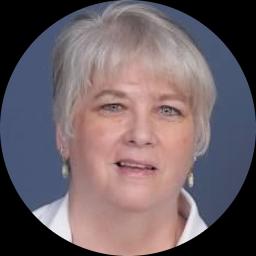
Mary Widseth is an LPC (Licensed Professional Counselor) practicing in Minnesota with seven years of clinical experience. She focuses on relationships, family concerns, trauma and abuse, grief, depression, anxiety, stress, addictions, and other midlife adjustments people often face. Mary also lists work with ADHD, bipolar disorder, intimacy-related issues, parenting challenges, and career concerns among her focus areas.
She holds a master’s degree in Community Psychology and Rehabilitation Counseling from Saint Cloud State University and a bachelor’s degree in Vocational Rehabilitation from the University of Wisconsin - Stout. Early in her career she supported adults with cognitive, physical, or communication barriers in vocational settings. That work involved on-the-job training, coordinating with employers, and adapting communication tools where language or hearing differences mattered.
Mary has offered in-home therapy for children aged 7 to 18 and their families, and later provided office-based therapy to adults and children. In those roles she addressed behavioral and emotional regulation, communication, social and family relationships, and functional skills. She has experience working with clients who identify as transgender or bisexual and with people facing body image changes tied to surgery.
Her practice uses practical methods to address anxiety, depression, ADHD, autism, relationship skills, and day-to-day functioning. She draws on approaches that include client-centered work, cognitive behavioral tools, dialectical behavior strategies, emotionally-focused methods, and EMDR techniques.
Mary has experience adapting materials for language or hearing differences, using picture books, rebus boards, and sign language strategies. People who want to start can use the site's matching process to find out more and schedule a first session.
How her therapeutic approaches work for online sessions
Her work draws on client-centered therapy, which focuses on supporting a person’s own goals and observations and helps with relationship and self-understanding issues. Cognitive Behavioral Therapy (CBT) is used to identify unhelpful thinking and behavior patterns and to build practical coping skills for anxiety, depression, and stress.She also uses Dialectical Behavior Therapy (DBT) techniques for emotion regulation and distress tolerance, useful when managing strong feelings or anger. Each approach is described and tried in collaboration with the client so the method matches current concerns and preferences rather than being imposed upfront.
Finding the best fit is a collaborative process. The therapist will review needs, goals, and how a person prefers to work, then recommend approaches or combine methods over time. This helps tailor sessions to midlife topics such as career shifts, caregiving strain, or changing relationships.
Session formats are not listed in the biography, so confirm current session options before booking. Online work can make it easier to fit appointments into a busy day, allow shorter check-ins when needed, and reduce travel time. It can also let people choose a quieter setting, avoid being on camera during some meetings, or pick a session length that fits a midday break.
Areas of expertise
Primary focus
Also works with
Additional focus areas
Therapeutic approaches
Experience
7+ years
Credentials
Minnesota
Languages
English
Frequently asked questions
What kinds of concerns does she address?
She works with relationship and family issues, trauma and abuse, grief, depression, anxiety, stress, addictions, and midlife changes among other concerns.
What style of therapy does she use?
Her approach includes client-centered methods, cognitive behavioral therapy (CBT), dialectical behavior therapy (DBT), emotionally-focused therapy (EFT), and EMDR tools.
How much clinical experience does she have?
She has seven years of experience working in both in-home and office settings with adults and children.
Is she a licensed clinician and where is she based?
She is an LPC (Licensed Professional Counselor) licensed in Minnesota and practices in that state.
Which languages are supported in sessions?
Sessions are offered in English, and she has experience adapting communication for hearing-impaired clients and those using picture-based tools.
Can international clients work with her?
She does not accept international clients at this time.
How are sessions scheduled and what does payment look like?
Costs vary with location and sessions use a subscription model that can be canceled at any time.
How do I begin a first session?
Start by selecting the See online therapy options button, complete a short matching questionnaire, and schedule a first session.
Before a first session
- Check that the state license on record covers the state you live in.
- Pick one thing to start with. A whole account of everything that has changed is not needed.
- A profile shows the topics a counselor lists; it is not a diagnosis or a promise of results.
If you feel unsafe right now, call or text 988, or call 911.