- CBT focus
- Mindfulness skills
- Attachment work
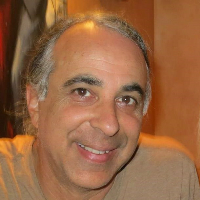
About Paul
Paul Dokey is a Licensed Clinical Social Worker (LCSW) practicing in Montana with 20 years of experience. He works with people facing stress, anxiety, depression, relationship strain, grief, trauma and abuse, addictions, ADHD, and other life changes. Paul also supports concerns such as intimacy issues, parenting strain, anger, self-esteem, bipolar mood concerns, and compassion fatigue.
He uses present-focused therapy and prefers to keep conversations grounded in what is happening now. Sessions often look at current patterns in thinking and behavior. Paul draws on cognitive behavioral ideas to notice and shift unhelpful thoughts. He also brings mindfulness practices into sessions to build acceptance and clearer choices.
Paul trained first in cultural anthropology and later moved into clinical social work. Over two decades he has worked with individuals and couples in varied settings. That background shows in a practical style that centers observable change rather than long theory talks.
In a typical session he helps people identify small, doable steps toward their goals. He talks through coping skills for anxiety, tools for managing mood swings, and ways to repair communication in relationships. He also supports people processing grief, trauma, or the strain of caregiving.
People in midlife often contact him about taking stock of work, relationships, or parenting roles. He works collaboratively to sort priorities, reduce overwhelm, and develop clearer next steps. To start, visitors are asked to use the site process to match and schedule a first appointment.
Therapeutic approaches and online sessions
Paul often uses Acceptance and Commitment Therapy (ACT) to help people clarify values and take committed actions despite difficult thoughts or feelings. ACT is useful for coping with anxiety, low mood, and situations where choices feel stalled. Attachment-Based Therapy is another influence in his work and focuses on how early and current relationship patterns shape trust and closeness; it can help with relationship strain and intimacy concerns.Finding the right approach is part of the collaborative work. The therapist will review goals, try methods that fit the client, and adjust what they do as progress or obstacles appear. Clients and the therapist decide together which methods make the most sense for specific problems and life circumstances.
Session formats are not detailed in the biography, so confirm available options before booking. Online work can make it easier to fit sessions into a busy week, shorten travel time, and allow for check-ins on days when a brief conversation is most helpful. It also lets people use sessions while managing work, caregiving, or travel schedules. Licensed professionals will discuss the practicalities and help choose session rhythms that match everyday life.
Areas of expertise
Primary focus
Also works with
Additional focus areas
Therapeutic approaches
Experience
20+ years
Credentials
Montana
Languages
English
Frequently asked questions
What kinds of problems does he help with?
He works with stress, anxiety, depression, grief, trauma and abuse, addictions, relationship issues, ADHD, and related concerns listed on his profile.
What therapy style should I expect?
The approach is present-focused and practical, emphasizing cognitive behavioral techniques and mindfulness to change unhelpful thoughts and build coping skills.
How long has he been practicing?
Paul has 20 years of clinical experience working with individuals and couples across a range of concerns.
What are his credentials and where is he based?
He is a Licensed Clinical Social Worker (LCSW) licensed in Montana and practices from that state.
Can I work with him if I live outside the US?
He accepts international clients; sessions are offered in English.
What session formats are available?
Session formats are not specified in the biography. Please confirm current session options before booking.
How much do sessions cost?
Cost varies with location; sessions use a subscription that can be canceled at any time.
How do I begin a first session?
Select the See online therapy options button, complete a short matching questionnaire, and schedule your first session.
Before a first session
- Check that the state license on record covers the state you live in.
- Pick one thing to start with. A whole account of everything that has changed is not needed.
- A profile shows the topics a counselor lists; it is not a diagnosis or a promise of results.
If you feel unsafe right now, call or text 988, or call 911.