- CBT methods
- DBT skills
- Attachment work
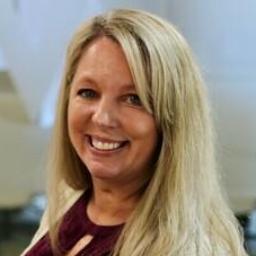
About Rebecca
Rebecca Boardman is a Licensed Independent Social Worker (LISW) and a Licensed Independent Clinical Social Worker (LICSW) practicing in West Virginia with 14 years of experience. She lists stress, anxiety, addictions, trauma and abuse, anger, depression, and a wide range of midlife concerns among her areas of work. Rebecca uses straightforward, interactive sessions that focus on practical steps clients can take now.
She earned a Master of Social Work from West Virginia University and has completed 70 hours toward Trauma Focused Cognitive Behavioral Therapy certification. Her approach draws on cognitive behavioral methods and dialectical behavior ideas, with a strong client-centered emphasis. Sessions often include skills practice and focused homework to help people manage symptoms between meetings.
Rebecca works with many kinds of life changes common in the middle chapters of life, such as career shifts, caregiving stress, grief, and parenting transitions. She also lists concerns like ADHD, bipolar disorder, body image, chronic illness, and issues tied to attachment and adoption.
Her style is direct and practical. She uses techniques from CBT and DBT alongside attachment-informed conversations to address patterns that keep people stuck. Sessions mix talking, concrete strategies, and short exercises assigned between visits.
People who prefer clear guidance and actionable tools tend to do well in her sessions. She asks for commitment to work between meetings and aims to help clients make steady, measurable changes over time.
How therapeutic approaches are used in online sessions
Rebecca commonly uses cognitive behavioral therapy and attachment-based ideas in her work. Cognitive Behavioral Therapy (CBT) focuses on identifying unhelpful thinking and behavior patterns and replacing them with more helpful ones; it is useful for anxiety, depression, stress, and many midlife challenges. Attachment-Based Therapy looks at how early relationship patterns affect current feelings and connections and can help with intimacy, relationship strain, and patterns of caregiving.Finding the right approach is part of the process. Rebecca collaborates with clients to decide which methods fit their goals and preferences. That means trying skills, checking what helps, and adjusting the plan together rather than sticking to a single method from the start.
Session formats are not specified in the available biography, so confirm current online options before booking. In general, online sessions can make it easier to fit therapy into a busy schedule, allow for shorter check-ins when needed, and reduce travel time. Rebecca uses practical exercises and between-session tasks that translate well to remote work, helping clients practice skills in everyday life and track progress over time.
Areas of expertise
Primary focus
Also works with
Additional focus areas
Therapeutic approaches
Experience
14+ years
Credentials
West Virginia, Ohio
Languages
English
Frequently asked questions
What kinds of problems does she address?
Rebecca lists stress, anxiety, addictions, trauma, depression, relationship and intimacy issues, parenting concerns, caregiving stress, career changes, and other midlife challenges.
What is her therapy style?
Her work is interactive and client-centered. She uses direct conversation, skills training, and practical exercises to help people change unhelpful patterns.
How much experience does she have?
She has 14 years of experience as a clinician working with a range of emotional and behavioral concerns.
What credentials and location apply?
She holds LISW and LICSW credentials and practices in West Virginia.
Which languages are supported?
Sessions are offered in English.
Does she accept international clients?
International clients are not accepted.
How are sessions paid for?
Cost varies with location and sessions use a subscription model that can be canceled at any time.
How do I begin?
Use the See online therapy options button, complete the short matching questionnaire, and schedule your first session.
Before a first session
- Check that the state license on record covers the state you live in.
- Pick one thing to start with. A whole account of everything that has changed is not needed.
- A profile shows the topics a counselor lists; it is not a diagnosis or a promise of results.
If you feel unsafe right now, call or text 988, or call 911.