- Anxiety and depression
- Life transitions
- Mindfulness and CBT
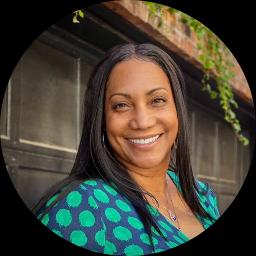
About Rhonda
Rhonda Davis is a Licensed Master Social Worker (LMSW) with 15 years of clinical experience in Michigan. She works with people facing anxiety, depression, stress, relationship difficulties, and life transitions. Rhonda also addresses issues such as addictions, trauma and abuse, grief, LGBTQ concerns, and attention-related difficulties.
Rhonda uses practical, evidence-informed methods to help people identify what drives their distress and learn new coping skills. Sessions are collaborative and focused on manageable steps. She draws from approaches like cognitive behavioral techniques, mindfulness, and acceptance-based work to help with mood, sleep, eating, and day-to-day functioning.
She has spent much of her career helping people rebalance work and personal life, manage caregiver strain, and navigate aging or changing family roles. That experience includes supporting people dealing with divorce, abandonment, chronic illness, and career shifts. The emphasis is on clear strategies that can be tried between sessions.
Rhonda describes her practice as adaptable to different needs. She integrates attachment-informed thinking when relationship patterns matter and motivational interviewing when change feels overwhelming. Conversations tend to focus on practical communication skills, conflict resolution, and restoring self-esteem.
People who come to Rhonda are often looking for steady, goal-oriented help during a midlife reassessment or other major change. She asks simple questions, listens for patterns, and suggests skill-based tools that fit everyday life. If someone wants to begin, she guides them through an initial matching and scheduling process.
Approaches that guide online work
Rhonda commonly uses cognitive behavioral therapy, acceptance and commitment work, and attachment-informed ideas in her practice. CBT focuses on changing unhelpful thoughts and behaviors and is useful for anxiety, depression, sleep, and eating concerns. Acceptance and commitment approaches help people notice inner experiences and choose actions aligned with their values when change feels difficult. Attachment-informed ideas look at relationship patterns and communication to reduce conflict and improve intimacy. Choosing the right approach is part of the early work together. She will talk with the client about goals, preferences, and what has helped or not helped before, then recommend methods to try. That process is collaborative and open to adjustment based on how things are going. Confirm current session options before booking so you know which formats are offered. Online work can make it easier to fit sessions into a busy life, allow shorter check-ins when time is limited, and reduce travel time around work or caregiving. Different approaches translate well to remote sessions because they focus on skills, conversation, and short practice exercises that can be done between meetings.Areas of expertise
Primary focus
Also works with
Additional focus areas
Therapeutic approaches
Experience
15+ years
Credentials
Michigan
Languages
English
Frequently asked questions
What kinds of concerns does she address?
She works with stress, anxiety, depression, relationship difficulties, addictions, trauma, grief, and a range of life changes including career and caregiver stress.
What is her therapeutic style?
Her approach is practical and collaborative, using techniques from cognitive behavioral therapy, mindfulness, and acceptance-based strategies to build coping skills and improve daily functioning.
How much experience does she have?
She has 15 years of clinical experience practicing in Michigan.
What are her credentials and location?
She is an LMSW (Licensed Master Social Worker) practicing in Michigan.
Which languages are sessions offered in?
Sessions are offered in English.
Can international clients work with her?
International clients are not currently accepted.
How are sessions scheduled and paid for?
Cost varies with location and sessions use a subscription that can be canceled at any time.
How do I begin working with her?
Use the See online therapy options button, complete the short matching questionnaire, and schedule your first session.
Before a first session
- Check that the state license on record covers the state you live in.
- Pick one thing to start with. A whole account of everything that has changed is not needed.
- A profile shows the topics a counselor lists; it is not a diagnosis or a promise of results.
If you feel unsafe right now, call or text 988, or call 911.