- Cognitive Behavioral Therapy
- EMDR for trauma
- First responder support
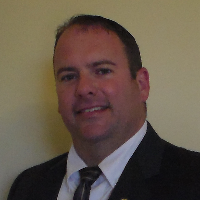
About Robert
Dr. Robert Cipriano Jr is a Florida psychologist with California and North Carolina licenses and 20 years of experience. He works with adults on stress, anxiety, addictions, relationship and family concerns, depression, trauma and abuse, grief, intimacy issues, sleep problems, parenting strain, anger, self-esteem, career questions, bipolar disorder, ADHD, and coping with life changes including midlife transitions.
He uses practical, skills-based methods most of the time. Cognitive Behavioral Therapy (CBT) is a core approach he uses to help people change unhelpful thinking and behavior patterns. More recently he has also provided Eye Movement Desensitization and Reprocessing (EMDR) for trauma-related symptoms.
Much of his work has been with first responders and public safety personnel, including critical incident stress debriefings and in-house crisis support for a metropolitan police department. He has provided clinical services in hospital trauma and inpatient behavioral health settings and has led programs aimed at wellness for sworn and civilian public safety staff.
He has assisted victims and families after mass-casualty events and supports those affected by such incidents. He also offers training for schools and organizations on warning signs and prevention of violent aggression, including active shooter dynamics.
Dr. Cipriano writes about wellness and the role of ongoing self-care in everyday functioning. He combines structured therapeutic tools with practical problem-solving to help people cope with major life changes and ongoing stressors.
How CBT and EMDR are used in online sessions
CBT, or Cognitive Behavioral Therapy, focuses on identifying unhelpful thoughts and behaviors and testing practical steps to change them. It can help with anxiety, depression, sleep problems, relationship patterns, and stress related to life transitions.EMDR, Eye Movement Desensitization and Reprocessing, is used for trauma-related symptoms and involves guided processing to reduce the intensity of distressing memories. It is often chosen when past events continue to cause strong emotional or physical reactions.
Finding the right approach is collaborative. The therapist will talk through goals, review symptoms, and together decide whether CBT, EMDR, or a mix of techniques seems best. That choice can shift as work progresses and new priorities emerge.
The original biography does not list specific online session formats. Confirm which formats are offered before booking. Online work can make it easier to fit sessions into a workday, reduce travel time, and allow shorter check-ins when needed. Some clients prefer fewer visual demands and choose audio-only for quick sessions, while others use video for face-to-face interaction. Discussing practical needs helps match the session style to everyday life.
Areas of expertise
Primary focus
Also works with
Additional focus areas
Therapeutic approaches
Experience
20+ years
Credentials
Florida, North Carolina, California
Languages
English
Frequently asked questions
What concerns does he address?
He works with stress, anxiety, addictions, relationship and family concerns, depression, trauma and abuse, grief, intimacy issues, sleep problems, parenting strains, anger, self-esteem, career matters, bipolar disorder, ADHD, and coping with life changes such as midlife transitions.
What is his therapeutic style?
He typically uses structured, skills-based methods such as Cognitive Behavioral Therapy and EMDR for trauma symptoms. Sessions focus on practical strategies and problem-solving.
How much clinical experience does he have?
He has practiced for 20 years, including work in hospital trauma units, inpatient behavioral health settings, and extensive experience with public safety professionals.
What are his credentials and where is he based?
He is a California Psychologist 32975 and a North Carolina Psychologist 5348 and practices in Florida.
Can I work with him if I live outside the United States?
Sessions are offered in English and he is not accepting international clients at this time.
What session formats are offered?
The original biography does not specify session formats. Please confirm current session options before booking.
How are fees handled?
Cost varies with location and sessions use a subscription that can be canceled at any time.
How do I begin scheduling a session?
To get started, select the See online therapy options button, complete a short matching questionnaire, and schedule your first session.
Before a first session
- Check that the state license on record covers the state you live in.
- Pick one thing to start with. A whole account of everything that has changed is not needed.
- A profile shows the topics a counselor lists; it is not a diagnosis or a promise of results.
If you feel unsafe right now, call or text 988, or call 911.