- Stress and anxiety
- LGBT support
- Parenting and family
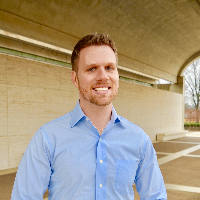
About Ryan
Ryan Smith is an LPC - Licensed Professional Counselor in Texas with 13 years of clinical experience. He works with stress, anxiety, relationship concerns, parenting challenges, grief, addiction, mood conditions, and issues often faced by LGBT clients. His practice is aimed at people taking stock of work, relationships, health, and family changes in midlife.
He began his career focusing on anger management and expanded into work with parents and family dynamics. He has significant experience supporting people who are exploring identity, dealing with discrimination, or managing relationship strain. He also helps with intimacy concerns, eating and body image issues, and the practical stresses of caregiving.
Ryan uses a problem-solving stance in sessions. He helps clients clarify goals and then applies concrete steps toward those goals. He often uses cognitive-behavioral techniques to challenge thoughts and build more helpful patterns of thinking and behavior.
He also draws on client-centered principles to keep the work focused on each person’s priorities. When relationship issues are central, he may incorporate Emotionally-Focused Therapy ideas and elements of the Gottman Method to improve communication and connection.
Ryan is open to working with people of different religious views and can include religion-based counseling when requested. Sessions are conducted in English, and he can work with international clients. To begin, prospective clients complete a short matching questionnaire and schedule a first visit.
How his approaches translate to online sessions
Ryan commonly uses Client-Centered Therapy and Cognitive Behavioral Therapy. Client-Centered Therapy focuses on listening and following what matters most to the client so sessions stay practical and person-focused. Cognitive Behavioral Therapy looks at the links between thoughts, feelings, and actions and offers tools to change unhelpful patterns, which works well for anxiety, mood, and stress.Finding the right approach is collaborative. He will talk with the client about goals and try methods that fit those goals. If something doesn’t feel like a good fit, he adjusts the plan together with the client rather than sticking to a single method.
Session formats are not specified in the biography, so confirm current session options before booking. Online sessions can make it easier to fit counseling into a workday, allow for shorter check-ins when schedules are tight, and remove travel time. These practical benefits can help people in midlife balance caregiving, work, and personal appointments while continuing therapy.
Areas of expertise
Primary focus
Also works with
Additional focus areas
Therapeutic approaches
Experience
13+ years
Credentials
Texas
Languages
English
Frequently asked questions
What kinds of concerns does he address?
He works with stress, anxiety, relationship problems, parenting issues, grief, addiction, mood conditions, and related topics listed in his specialties.
What is his therapeutic style?
He uses a problem-solving focus with practical steps, drawing on cognitive-behavioral techniques and client-centered principles.
How long has he been practicing?
He has 13 years of clinical experience working in counseling settings.
Where is he based and what credential does he hold?
He is based in Texas and holds an LPC - Licensed Professional Counselor in TX.
Does he work in languages other than English?
Sessions are offered in English.
Can international clients work with him?
He does accept international clients.
How are sessions priced?
Cost varies with location; sessions use a subscription that can be canceled at any time.
How do I get started?
Select the See online therapy options button, complete a short matching questionnaire, and schedule a first session.
Before a first session
- Check that the state license on record covers the state you live in.
- Pick one thing to start with. A whole account of everything that has changed is not needed.
- A profile shows the topics a counselor lists; it is not a diagnosis or a promise of results.
If you feel unsafe right now, call or text 988, or call 911.