- ACT based methods
- CBT techniques
- DBT skills
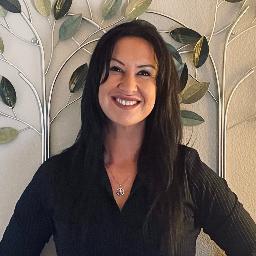
About Sarah
Sarah Newmeyer is a Licensed Clinical Social Worker (LCSW) licensed in Nevada with 17 years of experience. She works with adults on stress, anxiety, addictions, relationship and intimacy concerns, trauma and abuse, depression, grief, parenting strain, and coping with life changes. Sarah also lists work around LGBT issues, eating concerns, self-esteem, bipolar disorder, and first responder stressors.
She uses an interactive, client-centered style in sessions. That means the work is conversational and practical. She brings psychoeducational tools to encourage self-reflection and to teach skills you can use between appointments.
Her practice draws on several approaches: Cognitive Behavioral Therapy (CBT) to identify and change unhelpful thoughts and behaviors, Dialectical Behavior Therapy (DBT) skills for emotional regulation and distress tolerance, and Acceptance and Commitment Therapy (ACT) to clarify values and take meaningful action. Attachment-based ideas are used when relationship patterns and early attachments are part of the problem.
In sessions Sarah helps people set clear, short-term goals and builds plans to reach them. She pays attention to what’s practical - managing caregiving stress, midlife changes, or the fallout from loss and separation. Conversations often include concrete strategies, worksheets, and behavioral experiments.
People meet a therapist who listens and outlines steps forward. The emphasis is on learning skills that reduce daily struggle and on making decisions that reflect current priorities and responsibilities.
Therapeutic approaches and how they work online
Sarah uses Cognitive Behavioral Therapy (CBT) to help people spot and change unhelpful thoughts and behaviors; this approach is useful for anxiety, depression, and stress. Acceptance and Commitment Therapy (ACT) is offered to help clarify values and commit to small, meaningful actions when life feels stuck. Dialectical Behavior Therapy (DBT) skills are used to teach emotional regulation and distress tolerance for intense moods and relationship strains.Choosing the right approach is part of the work together. Sarah will discuss what feels most helpful and combine methods based on goals, preferences, and the issues brought to sessions. That collaborative planning helps keep sessions focused and practical.
Confirm the therapist's session options before booking so you know which formats are available. Online sessions can make it easier to fit therapy into a busy life - for example, a shorter check-in during a lunch break or a video session that avoids travel time. Some people prefer phone check-ins when bandwidth is limited or when a quicker call is needed. These practical benefits can help therapy fit around caregiving, work, and other midlife responsibilities.
Areas of expertise
Primary focus
Also works with
Additional focus areas
Therapeutic approaches
Experience
17+ years
Credentials
Nevada
Languages
English
Frequently asked questions
What kinds of concerns does she address?
She works with stress, anxiety, addictions, relationship and intimacy concerns, trauma and abuse, depression, grief, parenting strain, and coping with life changes.
What is her therapy style?
Her style is interactive and client-centered, using conversation and psychoeducational materials to prompt reflection and teach practical skills.
How much clinical experience does she have?
She has 17 years of experience as a clinical social worker and therapist.
What are her credentials and where does she practice?
She is a Licensed Clinical Social Worker (LCSW) licensed in Nevada.
Does she work in languages other than English?
Sessions are offered in English.
Can international clients book sessions?
She is not accepting international clients at this time.
What session formats are used?
Confirm current session options before booking, as session formats should be checked directly with the therapist.
How does pricing and scheduling work?
Cost varies by location; sessions use a subscription that can be canceled at any time. To begin, complete the short matching questionnaire and schedule a first session.
Before a first session
- Check that the state license on record covers the state you live in.
- Pick one thing to start with. A whole account of everything that has changed is not needed.
- A profile shows the topics a counselor lists; it is not a diagnosis or a promise of results.
If you feel unsafe right now, call or text 988, or call 911.