- Stress and anxiety
- Attachment issues
- Mindfulness tools
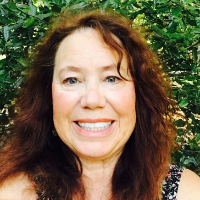
About Sherry
Sherry Friedman is a Licensed Professional Counselor (LPC) and Licensed Clinical Mental Health Counselor (LCMHC) practicing in North Carolina with 12 years of experience. She lists midlife concerns among her focus areas and works with issues such as stress, anxiety, grief, relationship strain, career questions, and life changes.
She draws on a mix of depth-oriented and skills-based approaches. That includes attachment-informed work, emotionally focused methods, Jungian perspectives, and dialectical behavior therapy skills. In sessions she combines talking, reflective exercises, and mindfulness-based practices to help clients notice patterns and build day-to-day skills.
Sherry describes an interest in neurodiversity and sensitivity, and she brings that context to conversations about overwhelm, boundaries, and self-care. She also addresses parenting concerns, career strain, and problems related to family of origin or separation.
Her style integrates attention to feelings with practical tools. Clients can expect focused discussions about what is causing distress and what might make life more manageable. She references tools like HeartMath coherence and breath-based practices as part of that toolkit.
Sherry holds an MA in School Psychology, an MS in Gifted Education, and an MS in Clinical Counseling. She is identified as an HSP psychotherapist and is listed on resources for highly sensitive people. Her background includes work with mood disorders, trauma, ADHD, and multicultural concerns, and she frames therapy around discovering purpose and next steps.
How her clinical approaches translate to online work
Sherry uses attachment-informed methods that focus on patterns in relationships and how those patterns affect current stress and connection. This approach can help with relationship concerns, attachment wounds, and repeated interaction styles.She also uses Emotionally-Focused Therapy ideas, which concentrate on identifying core emotions and shifting how people relate to those emotions in close relationships. That can be useful for grief, anger, and feeling stuck during life transitions.
Dialectical Behavior Therapy skills are part of her toolkit too, offering concrete strategies for managing intense emotions, improving distress tolerance, and practicing mindfulness in daily life.
Finding the right mix of methods is collaborative. She works with each person to identify goals and try approaches that fit their needs and preferences. If an approach needs adjustment, she revisits it with the client until it feels useful.
Session formats are not detailed in the biography, so confirm current options before booking. Many clients choose online sessions because they can more easily fit therapy into workdays, reduce travel time, or pick sessions that match their comfort with video or audio. Discuss practical arrangements when scheduling to choose what works best for everyday life.
Areas of expertise
Primary focus
Also works with
Additional focus areas
Therapeutic approaches
Experience
12+ years
Credentials
North Carolina, South Carolina, Rhode Island
Languages
English
Frequently asked questions
What kinds of concerns does she address?
She works with stress, anxiety, grief, relationship strain, career questions, midlife concerns, mood disorders, trauma, ADHD, and related topics.
How would sessions typically feel or proceed?
She blends depth-oriented talking with practical skills. Sessions often include reflection, mindfulness practices, and behavioral tools to manage day-to-day stress.
How much experience does she have?
She has 12 years of clinical experience working with adults on a range of emotional and life-transition concerns.
What are her credentials and where is she based?
She is an LPC and an LCMHC practicing in North Carolina. The profile lists SC LPC and NC LCMHC as her credential locations.
Does she work in languages other than English?
Sessions are offered in English.
Can people outside the US work with her?
International clients are not currently accepted.
How are sessions priced?
Cost varies with location; sessions use a subscription that can be canceled at any time.
How do I begin a first session?
Select the See online therapy options button, complete a short matching questionnaire, and schedule a first session.
Before a first session
- Check that the state license on record covers the state you live in.
- Pick one thing to start with. A whole account of everything that has changed is not needed.
- A profile shows the topics a counselor lists; it is not a diagnosis or a promise of results.
If you feel unsafe right now, call or text 988, or call 911.