- ACT methods
- CBT techniques
- Narrative work
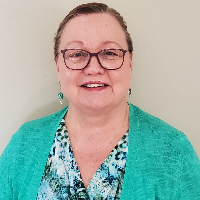
About Susan
Dr. Susan Murati is an LMHC, LCMHC practicing in New Hampshire with 19 years of clinical experience. She works with people facing stress, anxiety, depression, ADHD, relationship strains, career transitions, trauma and other life changes. Her background as a cultural psychologist informs how she sees identity, background, and context in therapy.
She uses a mix of cognitive behavioral work, Acceptance and Commitment Therapy (ACT), narrative approaches and client-centered techniques. Sessions tend to focus on practical skills, clearer thinking, and telling the stories that shape current patterns. That can mean learning ways to manage anxiety, testing out new behaviors at work, or naming what matters most in midlife changes.
Dr. Murati often helps people untangle family-of-origin issues, communication problems, and feelings of isolation or guilt. She also supports clients dealing with grief, compassion fatigue, addictions, and intimacy-related concerns. Conversations are described plainly and move at a pace set by the client’s needs.
Her work includes coaching-style support for career questions and focused approaches for panic, social anxiety, and anger. She pays attention to multicultural concerns and the ways prejudice or discrimination can affect wellbeing. Practical tools and narrative reframing are common elements in sessions.
Therapy is offered in English and grounded in evidence-informed methods. Prospective clients who are considering life shifts, including midlife reassessment, are invited to review online therapy options and complete a short matching questionnaire before scheduling a first session.
How her approaches translate to online work
Dr. Murati blends Acceptance and Commitment Therapy and Cognitive Behavioral Therapy alongside client-centered listening. ACT focuses on identifying values and taking committed steps toward them while learning to accept difficult thoughts. That approach can help with midlife choices, meaning, and coping with change. CBT looks at how thoughts, feelings, and actions interact and teaches concrete skills for anxiety, panic, and mood regulation. Client-centered work emphasizes straightforward listening and reflecting to help clarify goals and priorities.Finding the right approach is part of therapy. The therapist will work with each person to test methods and decide what fits best for their concerns and goals. Sessions can shift between skills practice, values-focused work, and narrative reflection as needed, with decisions made together in real time.
The practical advantages of online work are about fitting therapy into a busy life. Many people find that remote sessions make it easier to schedule around work, caregiving, or health appointments. Before booking, confirm which session formats are available; the therapist’s profile asks clients to review online therapy options and complete a short matching questionnaire to arrange the first session.
Areas of expertise
Primary focus
Also works with
Additional focus areas
Therapeutic approaches
Experience
19+ years
Credentials
Massachusetts, New Hampshire
Languages
English
Frequently asked questions
What kinds of concerns does she help with?
She works with stress, anxiety, depression, ADHD, relationship strains, career questions, trauma, grief, addiction, and midlife reassessment issues.
What is her therapeutic style?
Her style combines cognitive behavioral techniques, Acceptance and Commitment Therapy, narrative work, and client-centered methods to focus on skills and personal meaning.
How long has she been practicing?
She has 19 years of experience working as a counselor and cultural psychologist with a broad range of concerns.
What credentials does she hold and where is she based?
She is listed as LMHC and LCMHC with an MA LMHC and practices in New Hampshire.
Which languages are supported in sessions?
Sessions are offered in English.
Does she work with international clients?
International clients are not currently accepted.
How are sessions scheduled and what is the cost structure?
Cost varies with location and sessions use a subscription that can be canceled at any time.
How do I begin if I want to meet with her?
Use the See online therapy options button, complete a short matching questionnaire, and then schedule a first session.
Before a first session
- Check that the state license on record covers the state you live in.
- Pick one thing to start with. A whole account of everything that has changed is not needed.
- A profile shows the topics a counselor lists; it is not a diagnosis or a promise of results.
If you feel unsafe right now, call or text 988, or call 911.