- Attachment-based methods
- Cognitive behavioral tools
- Emotion-focused work
About Veronica
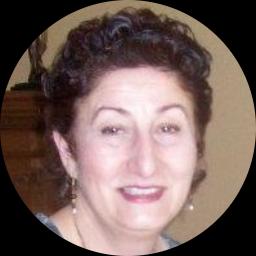
Veronica Michael is a California LMFT (Licensed Marriage and Family Therapist) with 20 years of clinical experience. She works with stress, anxiety, relationship concerns, trauma and abuse, intimacy-related issues, depression, and other life challenges people bring in midlife.
She listens closely and helps people identify the central issue they are facing. Sessions focus on practical next steps as well as understanding patterns that keep problems repeating. Veronica uses clear questions and reflective feedback to help people see options and make smaller, doable changes.
Her background spans work with grief, caregiving stress, chronic illness, adoption and foster care matters, and concerns around aging and end-of-life planning. She also supports people dealing with career strain, parenting pressures, codependency, and the mix of emotions that come with midlife transitions.
Clinical approaches she draws on include attachment-based ideas, client-centered work, cognitive behavioral tools, dialectical behavior techniques, and emotionally focused methods. Those approaches shape concrete skills such as managing strong emotions, improving communication, and shifting unhelpful thinking patterns.
Veronica aims to keep sessions straightforward and practical. She helps people name what matters next and make plans that fit everyday life. To begin, clients complete a short matching questionnaire and schedule an initial session.
How her approaches translate to online work
Attachment-based work focuses on patterns in relationships and how early bonds influence current connections; online sessions use this framework to help people notice repeated interaction styles and try new ways of relating. Client-centered therapy centers on the person's own experience and priorities, giving time to what matters most and using reflective listening to clarify goals. Cognitive Behavioral Therapy (CBT) looks at thoughts and behaviors that keep problems going and teaches straightforward skills to shift them, which can include home practice between sessions.Choosing the right approach is part of the work. Veronica will collaborate with each person to match methods to their needs, goals, and preferences. That decision may change as issues become clearer and skills are tried in daily life.
The practical benefits of online sessions include fitting therapy into a busy schedule and reducing travel time. Online work can make shorter check-ins easier during a lunch break or enable longer sessions without commuting. Confirm the current session formats before booking to know what specific options are offered.
Areas of expertise
Primary focus
Also works with
Additional focus areas
Therapeutic approaches
Experience
20+ years
Credentials
California
Languages
English
Frequently asked questions
What concerns does she address?
She works with stress, anxiety, relationship issues, trauma and abuse, intimacy-related problems, depression, grief, caregiving stress, midlife transitions, and related topics listed in her profile.
What is her therapeutic style?
She listens closely and uses practical, problem-focused work alongside attachment and emotion-focused ideas to help people clarify next steps.
How much experience does she have?
She has 20 years of clinical experience as a practicing therapist.
What are her credentials and location?
She is a California LMFT and practices in California.
Which languages are sessions offered in?
Sessions are offered in English.
Can people outside the US work with her?
She does not accept international clients at this time.
How are sessions paid for?
Costs vary with location and sessions use a subscription that can be canceled at any time.
How do I begin a first session?
Use the See online therapy options button, complete a short matching questionnaire, and schedule a first session.
Before a first session
- Check that the state license on record covers the state you live in.
- Pick one thing to start with. A whole account of everything that has changed is not needed.
- A profile shows the topics a counselor lists; it is not a diagnosis or a promise of results.
If you feel unsafe right now, call or text 988, or call 911.