
Cory Schortzman
LPC, LIMHPColorado · 26 yrs exp
Licensed counselor - Relationships and Addictions
Stress, Anxiety · Addictions · Relationship · Intimacy-related issues · +1 more
Read profileA directory of US counselors who list midlife among their focus areas
Need help now? 988Therapist listings come from BetterHelp. We will earn a commission at no extra cost to you if you use our links to buy.
Welcome to the Colorado directory for online therapists. All therapists listed here are licensed to practice in Colorado. Explore profiles to compare approaches, languages, credentials, and experience to find a strong fit for your needs.
Colorado · 26 yrs exp
Licensed counselor - Relationships and Addictions
Stress, Anxiety · Addictions · Relationship · Intimacy-related issues · +1 more
Read profile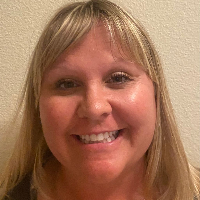
Colorado · 18 yrs exp
Licensed counselor - Midlife concerns
Stress, Anxiety · Addictions · Relationship · Self esteem · +15 more
Read profile
Colorado · 8 yrs exp
Licensed Professional Counselor - Stress and Relationships
Stress, Anxiety · Trauma and abuse · Grief · Self esteem · +14 more
Read profile
Colorado · 11 yrs exp
Licensed Professional Counselor - Midlife concerns and relationships
Stress, Anxiety · LGBT · Trauma and abuse · Anger · +15 more
Read profile
Colorado · 5 yrs exp
Licensed Professional Counselor - Midlife and Mood concerns
Stress, Anxiety · Trauma and abuse · Anger · Depression · +1 more
Read profile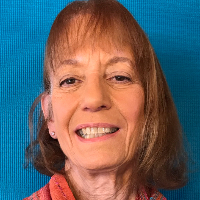
Colorado · 15 yrs exp
Licensed Professional Counselor - Midlife concerns
Stress, Anxiety · Addictions · Trauma and abuse · Anger · +6 more
Read profile
Colorado · 15 yrs exp
Licensed Professional Counselor - Stress and Relationships
Stress, Anxiety · Relationship · Family · Grief · +8 more
Read profile
Colorado · 15 yrs exp
Licensed Clinical Social Worker - Midlife concerns
Stress, Anxiety · Grief · Depression · Coping with life changes · +10 more
Read profile
Colorado · 7 yrs exp
Licensed Professional Counselor - Relationships and Stress
Stress, Anxiety · Relationship · Family · Anger · +4 more
Read profile
Colorado · 19 yrs exp
Colorado Psychologist - Midlife and life changes
Stress, Anxiety · Relationship · Grief · Self esteem · +5 more
Read profile
Colorado · 8 yrs exp
LCSW counselor - Stress and midlife change
Stress, Anxiety · Relationship · Trauma and abuse · Grief · +16 more
Read profile
Colorado · 13 yrs exp
LMFT - Relationships and Stress
Stress, Anxiety · LGBT · Relationship · Trauma and abuse · +10 more
Read profile
Colorado · 19 yrs exp
LCSW - Midlife transitions and relationship work
Stress, Anxiety · Relationship · Trauma and abuse · Grief · +12 more
Read profile
Colorado · 9 yrs exp
Licensed Clinical Social Worker - Stress and Relationships
Stress, Anxiety · Relationship · Grief · Depression · +11 more
Read profile
Colorado · 27 yrs exp
Licensed Professional Counselor - Midlife and Family Concerns
Family · Trauma and abuse · Bipolar · Depression · +7 more
Read profile
Colorado · 22 yrs exp
Licensed Professional Counselor - Stress and Addictions
Stress, Anxiety · Addictions · Trauma and abuse · Depression · +1 more
Read profile
Colorado · 18 yrs exp
LMFT in Colorado - Relationships and Life Changes
Relationship · Family · Parenting · Self esteem · +13 more
Read profile
Colorado · 15 yrs exp
Licensed Professional Counselor - Mood and Trauma
Stress, Anxiety · Trauma and abuse · Bipolar · Depression · +13 more
Read profile
Colorado · 20 yrs exp
LPC in Colorado - Midlife concerns and coping
Stress, Anxiety · Addictions · Trauma and abuse · Grief · +5 more
Read profile
Colorado · 17 yrs exp
Licensed Professional Counselor - Stress and Relationships
Stress, Anxiety · Addictions · Relationship · Family · +1 more
Read profile
Colorado · 25 yrs exp
Licensed Professional Counselor - Relationships and Midlife transitions
Relationship · Self esteem · Career · Coping with life changes · +8 more
Read profile
Colorado · 25 yrs exp
LCSW in Colorado - Midlife, Trauma and Recovery
Addictions · Relationship · Trauma and abuse · Grief · +15 more
Read profile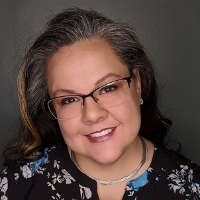
Colorado · 16 yrs exp
Licensed Professional Counselor - Midlife concerns and addictions
Stress, Anxiety · Addictions · Relationship · Trauma and abuse · +13 more
Read profile
Colorado · 12 yrs exp
Licensed Professional Counselor - Mood and life changes
Stress, Anxiety · Self esteem · Bipolar · Depression · +1 more
Read profileIf you live in Colorado and are considering online therapy, you will find a range of therapists who offer remote sessions by video, phone, or messaging. Laws and professional rules require that clinicians be licensed in the state where they deliver services, and the therapists listed on this site are licensed to practice in Colorado. That licensing requirement shapes how services are offered and whom you can work with most consistently when you are physically located in Colorado. Online therapy is available across urban and rural communities alike, which means you can connect with providers who work from Denver, Colorado Springs, Fort Collins, or from smaller towns and mountain communities, without needing to travel. Technology has made it easier to schedule sessions around your life, but the framework for practice remains grounded in state licensing and ethical standards, so it is useful to understand both the clinical and regulatory aspects when you begin your search.
Therapists commonly use video calls for a format that most closely resembles in-person work, while some also offer phone sessions or text-based messaging for ongoing check-ins. Different modes may be more comfortable for different people - some prefer face-to-face interaction on a screen, and others appreciate the flexibility of voice or message-based contact. You can look at therapist profiles to learn which formats they describe in their approach, and choose a clinician whose offered modes match what you prefer.
Online therapy can reduce some of the practical barriers you might encounter when seeking care in Colorado. If you live in a mountain town or on the plains, you might have fewer local options nearby and face long drives in winter weather. Remote sessions remove the need for travel and can help you maintain consistent contact with a therapist across seasons. That convenience also helps if you have demanding work hours, caregiving responsibilities, or mobility limits that make in-person appointments more difficult. You may find it easier to build continuity in treatment when a therapist’s schedule and communication style fit into your daily routine.
Remote sessions can also expand the range of clinicians you can consider. You can look for therapists who list specific approaches, who speak languages you prefer, or who focus on life stages and issues that resonate with you. For people navigating midlife transitions, career changes, relationship shifts, or health concerns, the ability to connect with a therapist whose background aligns with your priorities can feel empowering. Online therapy also allows for a degree of flexibility in setting - you can choose a comfortable environment at home or another setting that feels appropriate for your session.
Therapists who offer online services in Colorado work with a wide range of concerns that many people face. You will see clinicians who list work with anxiety and depression among their areas of focus, as well as those who describe experience supporting relationship difficulties, parenting challenges, grief and loss, and major life transitions such as retirement or divorce. Many therapists also work with stress related to chronic health conditions, caregiving responsibilities, and the pressures of midlife - periods when identity and role shifts are common.
Some clinicians note approaches for addressing trauma-related concerns, and you may find profiles that mention modalities like EMDR among their approaches, mindfulness-based work, cognitive-behavioral frameworks, interpersonal methods, and somatic-oriented practices. These descriptions indicate what a therapist uses in their work rather than formal certifications. If you are seeking help for substance use concerns or co-occurring mental health and medical issues, you can search for clinicians who list those focus areas in their profiles. Because online therapy can remove geographic barriers, it is also possible to connect with therapists who speak other languages or who describe cultural competence in areas that matter to you.
When you find a therapist whose profile interests you, it is wise to verify their license information through the appropriate Colorado state channels. The Colorado Department of Regulatory Agencies maintains a license lookup where you can confirm a clinician’s licensure status, license type, license number, and whether any disciplinary actions are recorded. To use the lookup, search by the therapist's full name or license number and review the public record for expiration dates and current status. Understanding the license type is helpful because different credentials indicate different professional pathways - for example, clinical social work, professional counseling, marriage and family therapy, or psychology each have distinct licensing titles and scopes of practice.
While a state lookup provides legal standing and any public history, a therapist’s profile can offer context about their education, areas of focus, language abilities, and the therapeutic approaches they list. Use both sources together to build a clear picture of the clinician’s professional identity. If you have specific questions about a license entry or a therapist’s scope of practice, you can contact the licensing board for clarification, as they can explain what the listed information means in terms of legal and ethical practice.
The initial step is to identify a few therapists whose profiles align with what you are looking for in terms of approach, focus, language, and experience. Read profiles carefully to learn how a therapist describes their work and which modes of remote care they offer. Once you choose a handful of possibilities, reach out through the contact options provided on their profile to ask preliminary questions about their approach, session format, estimated session length, fee structure, and any intake procedures they use. Many clinicians will describe how they structure an initial consultation, which can help you understand whether their practice fits your expectations. Consider preparing a short list of priorities or goals so your initial conversations can focus on whether the therapist’s style and methods feel like a good match.
Choosing a therapist is a personal process that often involves a combination of practical fit and interpersonal connection. Think about what matters most to you: do you prefer a clinician who emphasizes practical coping strategies, or someone who focuses on exploring patterns and meaning over time? Do you want a therapist who lists specific approaches among their methods, or someone who centers relational work? Language and cultural understanding can also be important - if you want to work in Spanish, or with someone who understands the experience of living in rural Colorado, search for profiles that mention those elements. Pay attention to how a therapist communicates in their profile and initial messages - clarity about fees, session format, and what to expect can be an indicator of how they will work with you in practice.
Trust your impressions from an initial session. It is normal for the first meeting to feel like an interview - you are both assessing fit. If you feel heard and you sense a constructive direction in the conversation, that can be a sign the clinician is a good match. If something feels off, it is okay to consult another therapist; finding the right fit often takes exploring a couple of options. Finally, consider logistics such as whether the times they describe align with your schedule, whether they offer the communication modes you prefer, and whether their fee structure works within your budget. Combining these pragmatic considerations with how you feel in conversation will help you select a therapist who can support your goals.
Online therapy in Colorado gives you a broader field of clinicians to choose from while still operating within the framework of state licensure and practice standards. As you explore profiles, pay attention to how therapists describe their approaches, areas of focus, credentials, language skills, and the formats they offer. Use state license lookup tools to confirm licensure status and public records, and prepare brief questions for initial conversations so you can evaluate fit efficiently. Taking these steps will help you find a clinician whose approach and experience align with your needs, allowing you to begin work in a way that fits your life in Colorado.
Addictions
2495 therapists
Anger
2939 therapists
Cancer
1024 therapists
Chronic Illness
1546 therapists
Depression
4115 therapists
Grief
3321 therapists
Guilt and Shame
3875 therapists
Intimacy Issues
2491 therapists
Isolation / Loneliness
3759 therapists
Mood Disorders
3146 therapists
Self Esteem
4049 therapists
Sleeping Disorders
1352 therapists
Stress & Anxiety
4488 therapists
Trauma and Abuse
3520 therapists
Aging and Geriatric Issues
2119 therapists
Blended Family Issues
2522 therapists
Body Image
2063 therapists
Career
2833 therapists
Caregiver Issues and Stress
3146 therapists
Coaching
1763 therapists
Codependency
2903 therapists
Communication Problems
4090 therapists
Compassion Fatigue
2466 therapists
Coping with Life Changes
3896 therapists
Divorce
3478 therapists
Family
3376 therapists
Family of Origin Issues
2629 therapists
Forgiveness
3746 therapists
Hospice and End-of-Life Counseling
1331 therapists
Infidelity
2360 therapists
Life Purpose
4160 therapists
Money and Financial Issues
2045 therapists
Parenting
2874 therapists
Relationship
3936 therapists
Self-Love
3779 therapists
Workplace Issues
3444 therapists