
James Cady
LPC-MHSouth Dakota · 17 yrs exp
LPC-MH in South Dakota - Midlife and anxiety support
Stress, Anxiety · Addictions · Family · Trauma and abuse · +8 more
Read profileA directory of US counselors who list midlife among their focus areas
Need help now? 988Therapist listings come from BetterHelp. We will earn a commission at no extra cost to you if you use our links to buy.
Welcome to MidlifeCounselors.org's South Dakota directory for online therapy. All therapists listed here are licensed in their fields. Browse profiles to learn about specialties, approaches, credentials, and languages so you can find a counselor who fits your needs.
South Dakota · 17 yrs exp
LPC-MH in South Dakota - Midlife and anxiety support
Stress, Anxiety · Addictions · Family · Trauma and abuse · +8 more
Read profile
South Dakota · 19 yrs exp
LPC-MH in South Dakota - Midlife and life changes
Stress, Anxiety · Relationship · Trauma and abuse · Grief · +15 more
Read profile
South Dakota · 26 yrs exp
LPC-MH in South Dakota - Midlife and life transitions
Stress, Anxiety · Relationship · Grief · Parenting · +15 more
Read profile
South Dakota · 9 yrs exp
Licensed Professional Counselor - Stress and Relationships
Stress, Anxiety · Trauma and abuse · Anger · Depression · +2 more
Read profile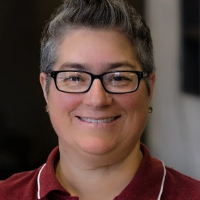
South Dakota · 3 yrs exp
Licensed Professional Counselor - Mental health and relationships
LGBT · Relationship · Trauma and abuse · Intimacy-related issues · +15 more
Read profile
South Dakota · 27 yrs exp
South Dakota clinical psychologist - Midlife concerns and mood
Stress, Anxiety · Relationship · Sleeping · Anger · +10 more
Read profile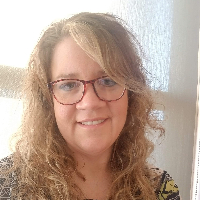
South Dakota · 12 yrs exp
Licensed Clinical Social Worker - Stress and Relationships
Stress, Anxiety · Relationship · Grief · Parenting · +11 more
Read profile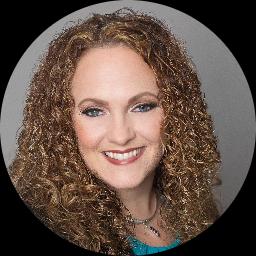
South Dakota · 23 yrs exp
Licensed counselor - Midlife concerns and transitions
Stress, Anxiety · Grief · Self esteem · Depression · +9 more
Read profile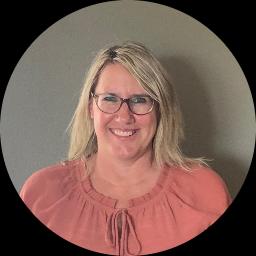
South Dakota · 24 yrs exp
Dr. Tracy Williams - Psychologist, Midlife concerns
Relationship · Parenting · Anger · Self esteem · +12 more
Read profile
South Dakota · 17 yrs exp
Dr. Paula Ehrmantraut - LCPC, anxiety and addiction focus
Stress, Anxiety · Addictions · LGBT · Relationship · +1 more
Read profile
South Dakota · 18 yrs exp
Licensed counselor - Midlife and life changes
Stress, Anxiety · LGBT · Grief · Depression · +1 more
Read profile
South Dakota · 26 yrs exp
Licensed counselor - Midlife stress and transitions
Stress, Anxiety · Addictions · Eating · Coping with life changes · +13 more
Read profile
South Dakota · 14 yrs exp
Licensed Professional Counselor - Midlife concerns
Stress, Anxiety · Intimacy-related issues · Self esteem · Depression · +8 more
Read profileOnline therapy has become an increasingly common option for people across South Dakota, offering an alternative to in-person counseling that can work well whether you live in a city or a more rural county. Many licensed counselors and therapists in South Dakota provide remote sessions by video or phone and list approaches ranging from cognitive behavioral therapy to relational and trauma-informed methods. This growth reflects both technological access and changing expectations about how mental health support can be delivered in the modern era.
In practical terms, availability of online services varies by practitioner and the type of license they hold, but the footprint of remote counseling is broad enough that you can often find a therapist who lists specialties that match your concerns. Because state licensing governs the practice of therapy, professionals offering online sessions to people in South Dakota must hold an appropriate South Dakota license to work with residents of the state. That framework helps set clear expectations for how therapy is regulated and where to look for further information about a therapist's professional standing.
If you are weighing online therapy as an option, you may find that it reduces some logistical barriers while preserving the essential elements of counseling. Online sessions remove the need for travel time and can make it easier to fit appointments into a busy week. For people in rural communities or those with mobility constraints, remote therapy can mean consistent access to support without the long commute to a clinic. You may be able to schedule sessions at times that match your routine more conveniently than with face-to-face appointments.
Online therapy also expands your choices when you are looking for certain specialties or approaches. If you prefer a counselor who lists family systems work, mindfulness-based approaches, or therapists who list EMDR among their approaches, you can search for those descriptors and connect across distance. Many people appreciate the ability to meet with a therapist who shares their language or cultural background, even when that therapist is located in another part of the state. While the format is different from in-person work, the therapeutic relationship, goals, and methods remain central to the process.
Online therapists address a wide range of concerns that mirror the issues seen in traditional office settings. You will find counselors who list experience working with mood concerns such as depression and anxiety, relationship and family difficulties, life transitions, grief and loss, stress related to work or caregiving, and coping with chronic health issues. Some therapists specialize in later-life transitions, midlife career shifts, and the emotional challenges that arise as priorities and roles change over time.
Practitioners also report using a variety of therapeutic approaches. If you are interested in a specific method, look for language like therapists who list cognitive behavioral therapy (CBT) among their approaches or therapists who list psychodynamic work among their approaches. Similarly, you may find therapists who list mindfulness-based approaches, acceptance and commitment therapy, or narrative approaches among their methods. Remember that a therapist listing a particular approach does not serve as proof of specific certification; it indicates that they include that orientation in their practice description. You can use profile descriptions to narrow your search toward counselors whose stated focus areas and clinical interests align with the challenges you want to address.
Verifying a therapist's license is an important step when you are evaluating professionals listed in a directory. Start by locating the license information on a therapist's profile. Many profiles will include a license type and number, along with the issuing state. With that information in hand, you can consult the state licensing authority's public records to confirm licensure status, expiration date, and whether any public disciplinary actions are recorded.
If you are unsure which state board governs a particular type of counselor, the state's professional licensing website typically lists boards for counselors, social workers, psychologists, and marriage and family therapists. Use the search tool on the state licensing site to enter the clinician's name or license number. The record you find will show the licensure category, the effective and expiration dates, and any sanctions or public orders that may be on file. If you do not find a match or have questions about a record, the licensing board's contact information is available on the same website, and you can reach out to request clarification about a professional's standing.
Your first step is to identify therapists whose profiles reflect the issues you want to work on and the approaches that resonate with you. Read profile descriptions carefully to learn about each counselor's stated areas of focus, the populations they mention, and the communication formats they note. If a therapist lists languages they speak or cultural competencies, factor that into your selection if those elements are important to you. Once you have a few profiles that look promising, plan what you will want to ask or share when you first connect.
Before your initial online session, check your technology so you have an uninterrupted video or phone connection. Choose a quiet, comfortable environment where you will not be overheard and where you feel able to speak freely without interruptions. Have a list of topics you want to start with and any questions about the therapist's approach, experience with certain issues, or session logistics. Many practitioners will describe whether they conduct longer intake sessions or shorter follow-up meetings, and those details can help you prepare mentally for the first conversation.
Choosing a therapist is a personal process that balances practical factors with the emotional fit you feel when you interact. Start by matching on the basics: focus areas, stated approaches, and language. If a counselor lists experience working with midlife transitions, grief, relationship concerns, or caregiving stress, that alignment can make it easier to get into substantive work quickly. The approaches a therapist lists can suggest how they structure sessions and set goals, but the therapeutic relationship itself will determine how methods are applied in your unique situation.
Pay attention to how a therapist communicates in their profile and during your first exchange. Are they clear about what they offer, how sessions are conducted, and what you can expect in the early weeks of work together? Do they describe how they measure progress or adapt work based on client feedback? Consider whether their tone and descriptions resonate with you. It is reasonable to try more than one counselor before you settle into ongoing work, and taking time to reflect after an initial meeting will help you decide whether to continue. Prioritize finding someone whose experience and approach feel like a good match for the goals you want to pursue.
Finally, consider practical matters such as session length, communication preferences, and whether the therapist lists any specialty populations you identify with. If insurance or payment options matter to you, that information may be available in a profile or by direct inquiry during an intake conversation. Whatever path you choose, approaching the process with curiosity and clear questions will help you find a counselor who can support the work you want to do.
Online therapy in South Dakota offers a flexible way to access licensed counselors who list a range of approaches and specialties. By verifying licensure, preparing for your first session, and reflecting on fit, you can make thoughtful choices about who to work with and how to begin a productive therapeutic relationship.
Addictions
2495 therapists
Anger
2939 therapists
Cancer
1024 therapists
Chronic Illness
1546 therapists
Depression
4115 therapists
Grief
3321 therapists
Guilt and Shame
3875 therapists
Intimacy Issues
2491 therapists
Isolation / Loneliness
3759 therapists
Mood Disorders
3146 therapists
Self Esteem
4049 therapists
Sleeping Disorders
1352 therapists
Stress & Anxiety
4488 therapists
Trauma and Abuse
3520 therapists
Aging and Geriatric Issues
2119 therapists
Blended Family Issues
2522 therapists
Body Image
2063 therapists
Career
2833 therapists
Caregiver Issues and Stress
3146 therapists
Coaching
1763 therapists
Codependency
2903 therapists
Communication Problems
4090 therapists
Compassion Fatigue
2466 therapists
Coping with Life Changes
3896 therapists
Divorce
3478 therapists
Family
3376 therapists
Family of Origin Issues
2629 therapists
Forgiveness
3746 therapists
Hospice and End-of-Life Counseling
1331 therapists
Infidelity
2360 therapists
Life Purpose
4160 therapists
Money and Financial Issues
2045 therapists
Parenting
2874 therapists
Relationship
3936 therapists
Self-Love
3779 therapists
Workplace Issues
3444 therapists