- CBT for thinking patterns
- DBT for emotion skills
- Mindfulness practice
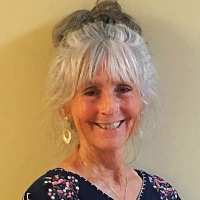
About Elizabeth
Elizabeth Chavez is an LPCC (Licensed Professional Clinical Counselor) practicing in New Mexico with 20 years in the mental health field. She has worked in intensive psychiatric hospitals, correctional settings, substance treatment centers, and community counseling centers. She helps people facing stress, anxiety, addiction, trauma, grief, depression, life changes, and related concerns that can arrive in midlife.
Her style is conversational and person-centered. Sessions are set up as a dialogue where the client’s experience guides the work. She listens for strengths, obstacles, and practical needs, then helps people choose tools that fit their lives.
Elizabeth uses a mix of approaches to meet different problems. She draws on Cognitive Behavioral Therapy to identify unhelpful thinking and change behaviors. Dialectical Behavior Therapy techniques are used when emotion regulation and distress tolerance are priorities. Mindfulness and client-centered work help people slow down and notice what matters most.
Her background in higher-acuity settings means she has experience with people in crisis and complex situations. That experience informs pragmatic steps to stabilize mood, manage substance use, and cope with grief or trauma. She also supports those dealing with parenting strain, aging parents, and shifts in relationships that often surface in midlife.
When a person reaches out, the first focus is on what feels most urgent and what small, manageable changes could help. From there she and the client pick methods to build skills, improve sleep and eating patterns, and reduce day-to-day stressors.
Therapeutic approaches and online sessions
Elizabeth often uses Cognitive Behavioral Therapy to help people notice and change patterns of thinking that feed anxiety or low mood; CBT is practical and usually focuses on specific thoughts and behaviors to alter day-to-day functioning. She also uses Dialectical Behavior Therapy techniques to teach emotion regulation, distress tolerance, and interpersonal effectiveness when feelings run high or relationships feel strained. Mindfulness methods are used to build awareness and calm, which can help with sleep, eating, and rumination.Choosing the right mix of approaches is part of the work together. She will discuss goals, preferences, and what feels most urgent, and then recommend strategies to try. That collaborative process makes it easier to adapt methods as needs change over weeks or months.
Session format options are not specified in her biography, so please confirm current online session choices before booking. Many people find online sessions useful for fitting counseling into a busy day, shortening commute time, or having a quieter setting that reduces interruptions. Online meetings can also make brief check-ins or regular weekly work easier to schedule alongside caregiving, work, and other midlife responsibilities.
Areas of expertise
Also works with
Additional focus areas
Therapeutic approaches
Experience
20+ years
Credentials
New Mexico
Languages
English
Frequently asked questions
What issues does she address?
She works with stress, anxiety, addiction, trauma, grief, depression, and life transitions commonly seen in midlife.
What is her therapeutic style?
Her approach is person-centered and conversational, combining practical skills training with reflective work.
How much clinical experience does she have?
She has 20 years of experience across hospitals, correctional facilities, substance treatment centers, and community counseling centers.
What are her credentials and location?
She is an LPCC licensed in New Mexico and practices there.
Which languages are supported?
Sessions are offered in English.
Can people outside the U.S. work with her?
She does not accept international clients at this time.
How are sessions arranged and what do they cost?
Cost varies by location and sessions use a subscription that can be canceled at any time.
How do I begin working with her?
Select the See online therapy options button, complete a short matching questionnaire, and schedule a first session.
Before a first session
- Check that the state license on record covers the state you live in.
- Pick one thing to start with. A whole account of everything that has changed is not needed.
- A profile shows the topics a counselor lists; it is not a diagnosis or a promise of results.
If you feel unsafe right now, call or text 988, or call 911.