
Yvonne Holguin
LPCCNew Mexico · 3 yrs exp
LPCC in New Mexico - Stress and Addictions
Stress, Anxiety · Addictions · Parenting · Depression · +1 more
Read profileA directory of US counselors who list midlife among their focus areas
Need help now? 988Therapist listings come from BetterHelp. We will earn a commission at no extra cost to you if you use our links to buy.
Welcome to MidlifeCounselors.org’s directory for online therapists serving New Mexico. All therapists listed here are licensed in their fields - explore individual profiles to review credentials, languages, approaches, and areas of focus.
Use the directory to compare therapists who list specialties relevant to your needs and to learn more about how online therapy works in New Mexico.
New Mexico · 3 yrs exp
LPCC in New Mexico - Stress and Addictions
Stress, Anxiety · Addictions · Parenting · Depression · +1 more
Read profile
New Mexico · 16 yrs exp
LCSW - Midlife stress and trauma
Stress, Anxiety · Addictions · Trauma and abuse · Bipolar · +13 more
Read profile
New Mexico · 25 yrs exp
LCSW - Midlife concerns and stress
Stress, Anxiety · Trauma and abuse · Anger · Depression · +16 more
Read profile
New Mexico · 10 yrs exp
LICSW LCSW - Stress and Relationships
Stress, Anxiety · Trauma and abuse · Intimacy-related issues · Self esteem · +11 more
Read profile
New Mexico · 10 yrs exp
LCSW - Family and Life Transitions
Family · Parenting · Depression · Coping with life changes · +11 more
Read profile
New Mexico · 6 yrs exp
LPCC in New Mexico - Relationship and Life Changes
Relationship · Self esteem · Career · Coping with life changes · +14 more
Read profile
New Mexico · 8 yrs exp
Licensed Professional Clinical Counselor - Anxiety and Addictions
Stress, Anxiety · Addictions · LGBT · Trauma and abuse · +16 more
Read profile
New Mexico · 20 yrs exp
Licensed clinical social worker - Midlife and relationship concerns
LGBT · Trauma and abuse · Self esteem · Stress, Anxiety · +10 more
Read profile
New Mexico · 30 yrs exp
LPCC counselor - Midlife and Relationships
Stress, Anxiety · LGBT · Grief · Self esteem · +10 more
Read profile
New Mexico · 10 yrs exp
LMFT - Relationships and Life Changes
Stress, Anxiety · Family · Grief · Depression · +12 more
Read profile
New Mexico · 7 yrs exp
Licensed Professional Counselor - Stress and Trauma
Stress, Anxiety · Trauma and abuse · Career · Depression · +11 more
Read profile
New Mexico · 32 yrs exp
Licensed social worker - Midlife and coping concerns
Stress, Anxiety · Trauma and abuse · Parenting · Depression · +12 more
Read profile
New Mexico · 20 yrs exp
LCPC and LPCC - Stress and Trauma
Stress, Anxiety · Family · Trauma and abuse · Depression · +1 more
Read profile
New Mexico · 16 yrs exp
LPC and LPCC - Trauma and Midlife concerns
Stress, Anxiety · Trauma and abuse · Grief · Depression · +15 more
Read profile
New Mexico · 35 yrs exp
LPCC counselor - Midlife concerns and grief
Grief · Intimacy-related issues · Self esteem · Coping with life changes · +16 more
Read profile
New Mexico · 40 yrs exp
LPC, LCMHC - Midlife stress and relationships
Stress, Anxiety · LGBT · Relationship · Grief · +13 more
Read profile
New Mexico · 14 yrs exp
LCSW - Stress and life changes
Stress, Anxiety · Addictions · Trauma and abuse · Self esteem · +12 more
Read profile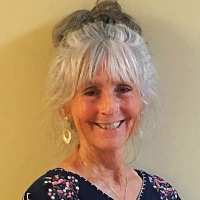
New Mexico · 20 yrs exp
LPCC in New Mexico - Midlife concerns and transitions
Stress, Anxiety · Addictions · Trauma and abuse · Self esteem · +14 more
Read profile
New Mexico · 31 yrs exp
LPCC in New Mexico - Stress and Life Changes
Stress, Anxiety · Trauma and abuse · Depression · Coping with life changes · +10 more
Read profile
New Mexico · 7 yrs exp
Licensed Clinical Social Worker - Relationships and Life Change
Stress, Anxiety · Relationship · Intimacy-related issues · Self esteem · +6 more
Read profile
New Mexico · 11 yrs exp
LPCC counselor - Stress and addiction care
Stress, Anxiety · Addictions · Trauma and abuse · Grief · +1 more
Read profileOnline therapy has become a common option for people across New Mexico, from urban centers to rural communities. Many licensed counselors, social workers, and psychologists offer sessions by video or phone as a way to connect with people who prefer remote care or who live far from in-person services. If you are searching for help, you will find that profiles often mention the format they use, the age groups they work with, and the approaches they favor. Those details can help you narrow your search so you can focus on clinicians whose profiles match your needs.
It is important to know that providing therapy across state lines involves licensing considerations. Therapists who work with New Mexico residents typically hold a New Mexico license, and if a clinician is located outside New Mexico you should check whether they list a New Mexico license or otherwise provide services to residents in line with state rules. The directory presents each therapist’s credentials and listed approaches so you can make informed comparisons before contacting a provider.
Online therapy can remove geographic barriers, making it easier to reach a counselor without long drives or travel. This can be especially helpful in New Mexico, where communities are spread across a wide area and public transit options vary. You can attend sessions from a familiar location, which often helps you focus on the conversation rather than logistics. Many people find that being in their own home or another comfortable environment reduces stress about getting to appointments and allows them to maintain continuity of care during life transitions, job changes, or travel within the state.
Another practical benefit is scheduling flexibility. Online sessions can sometimes make it easier to fit counseling into a busy week, since you do not need to allow extra time for commuting. If you value access to clinicians who speak languages other than English, searching by language on therapist profiles can connect you with bilingual counselors who list that skill. While online therapy is not a universal fit, it offers options for people who prioritize convenience, access to specific specialties, or the ability to choose a clinician from a broader geographic pool.
People come to online therapy for a wide range of reasons. You may seek support for anxiety, depression, stress related to work or family life, or grief after a loss. Midlife transitions such as changes in relationships, caregiving roles, career shifts, and questions about purpose are frequent topics for those in their 40s, 50s, and beyond. Couples often pursue counseling to address communication patterns, relationship stress, or to navigate major life changes. Parenting challenges, adjustment to medical issues, and managing chronic health concerns are other areas where online therapists can provide guidance and tools to help you cope.
When reviewing profiles, you will notice therapists list different approaches and specialties. Some therapists list cognitive-behavioral approaches, mindfulness-based methods, psychodynamic perspectives, or trauma-informed care among their approaches. Others may list that they work with grief, life transitions, relationship issues, or caregiving stress. Because profiles vary, use the descriptions to find clinicians who list experience with the topics that matter most to you and who describe a therapeutic approach that resonates with your preferences.
Verifying a therapist’s license is an important step when you are choosing a clinician. You can start by checking the information on the therapist’s profile for a license type and number. The New Mexico Regulation and Licensing Department maintains public license lookup tools where you can confirm that the license is active and view the license type associated with the practitioner. The online search can also show whether there are any public disciplinary records. If a profile does not include a license number, you can ask the clinician for it and then use the state lookup to confirm the details.
Licenses in New Mexico can include credentials such as licensed professional counselor (LPC), licensed clinical social worker (LCSW), psychologist, or marriage and family counselor depending on the therapist’s discipline. While profiles may list educational background and areas of focus, the state license information is the formal record of permission to practice in New Mexico. If you want additional assurance, you can contact the state licensing office to ask about how to interpret information in the public record. Taking a few minutes to verify a license gives you factual confirmation of the clinician’s standing in the state.
Getting started with online therapy is a process you can shape to fit your needs. Begin by clarifying what you hope to address in counseling and what matters most in a therapeutic relationship. Think about whether you prefer a therapist who lists certain approaches, has experience with midlife or caregiving challenges, or speaks a particular language. Use the directory to compare profiles by credentials, listed approaches, languages, and areas of focus. Reading a clinician’s bio can give you a sense of their perspective and how they describe working with people who have concerns like yours.
When you find a few profiles that seem like a match, prepare a short list of questions to ask the clinician or their intake staff. Useful questions include asking about typical session length, how they describe their approach in practice, whether they have experience with issues like yours, and how they handle documentation for insurance or out-of-network reimbursement. If you use technology for sessions, make sure you have a reliable internet connection and a quiet, quiet space where you can talk without interruptions. For people juggling family or caregiving responsibilities, consider what days and times are realistic for you and how you will manage childcare or other obligations during a session.
Choosing the right therapist often involves trial and adjustment. It is reasonable to try a few clinicians until you find someone whose style and approach feel like a good fit. Pay attention to how comfortable you feel discussing your concerns, whether the therapist’s pacing and communication match your preferences, and whether the goals you set together align with what you want to work on. If a particular approach is listed in a profile and you want to learn more about how the therapist uses that method, ask them to explain it in terms you can understand. Clear communication up front about goals, logistics, and what you want from therapy helps you make the most of your sessions and supports steady progress over time.
Addictions
2495 therapists
Anger
2939 therapists
Cancer
1024 therapists
Chronic Illness
1546 therapists
Depression
4115 therapists
Grief
3321 therapists
Guilt and Shame
3875 therapists
Intimacy Issues
2491 therapists
Isolation / Loneliness
3759 therapists
Mood Disorders
3146 therapists
Self Esteem
4049 therapists
Sleeping Disorders
1352 therapists
Stress & Anxiety
4488 therapists
Trauma and Abuse
3520 therapists
Aging and Geriatric Issues
2119 therapists
Blended Family Issues
2522 therapists
Body Image
2063 therapists
Career
2833 therapists
Caregiver Issues and Stress
3146 therapists
Coaching
1763 therapists
Codependency
2903 therapists
Communication Problems
4090 therapists
Compassion Fatigue
2466 therapists
Coping with Life Changes
3896 therapists
Divorce
3478 therapists
Family
3376 therapists
Family of Origin Issues
2629 therapists
Forgiveness
3746 therapists
Hospice and End-of-Life Counseling
1331 therapists
Infidelity
2360 therapists
Life Purpose
4160 therapists
Money and Financial Issues
2045 therapists
Parenting
2874 therapists
Relationship
3936 therapists
Self-Love
3779 therapists
Workplace Issues
3444 therapists